
Carpentry and Trim Work
- Baseboards and crown molding installation with coped inside corners
- Door and window casing with proper reveal and clearance
- Accent walls — board-and-batten, shiplap, tongue-and-groove
- Built-in shelving and custom carpentry
- Finish-grade lumber — clear pine, poplar, oak, or other hardwoods
- Laser level layout and story pole spacing

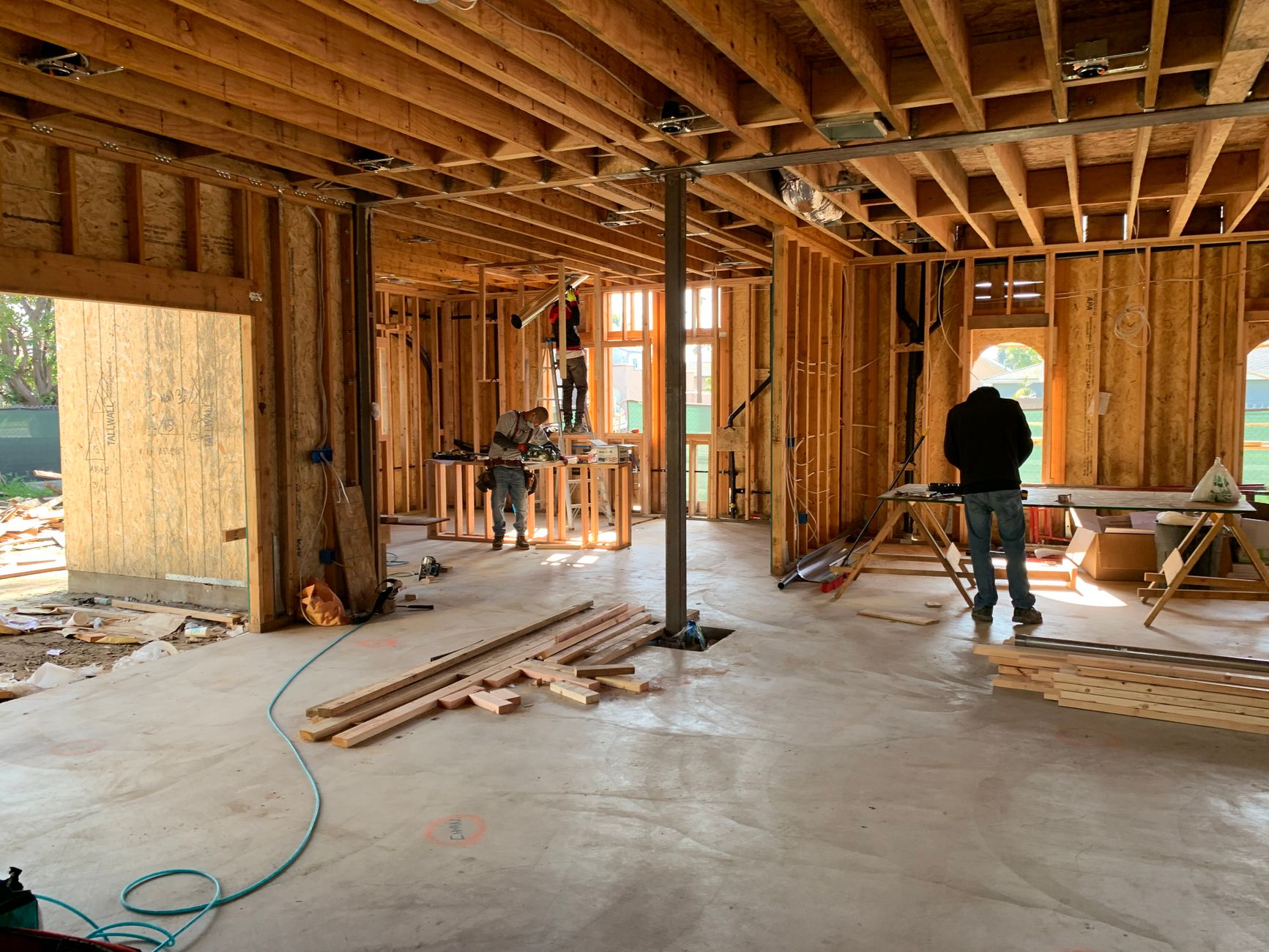
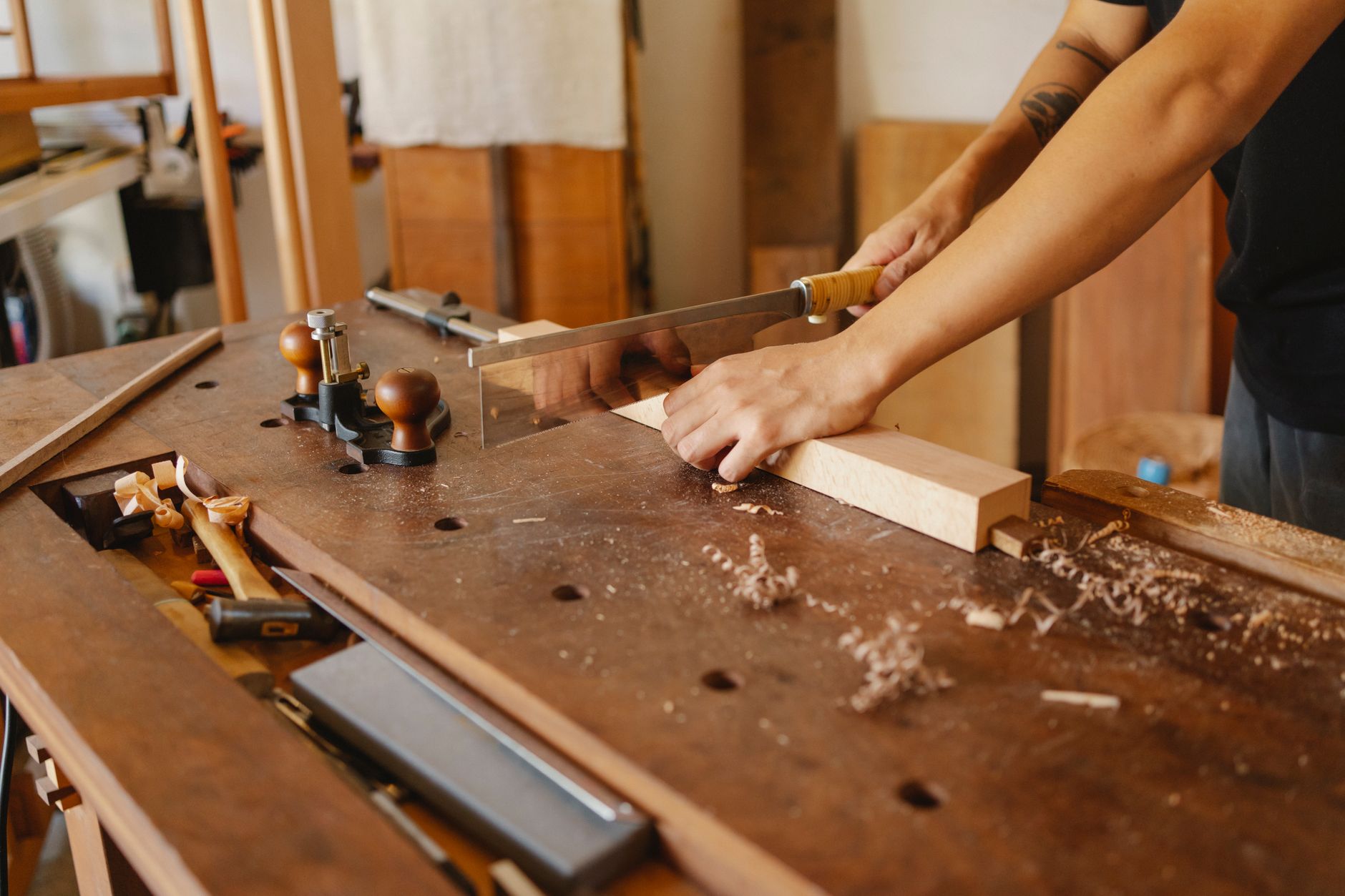
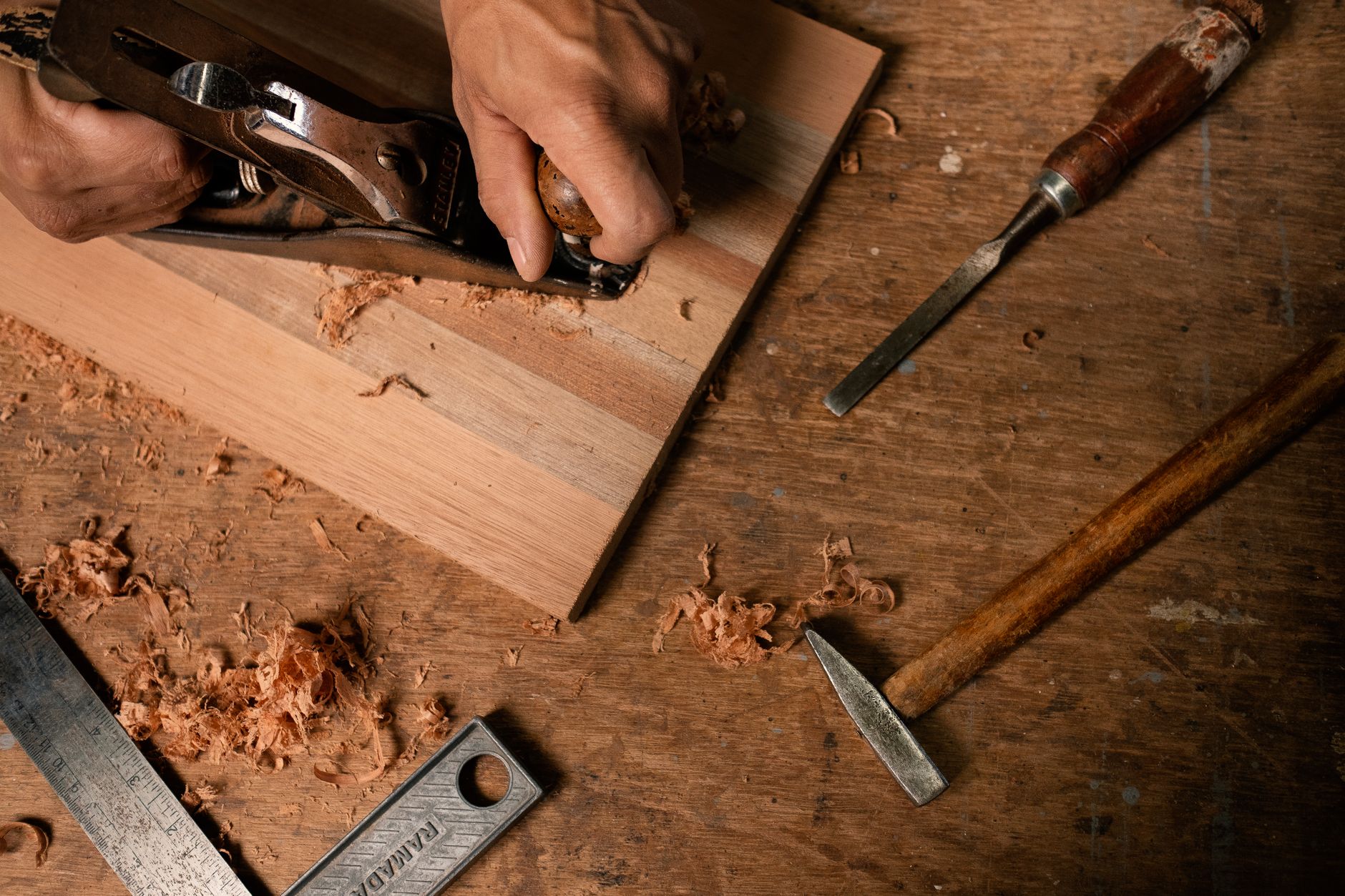

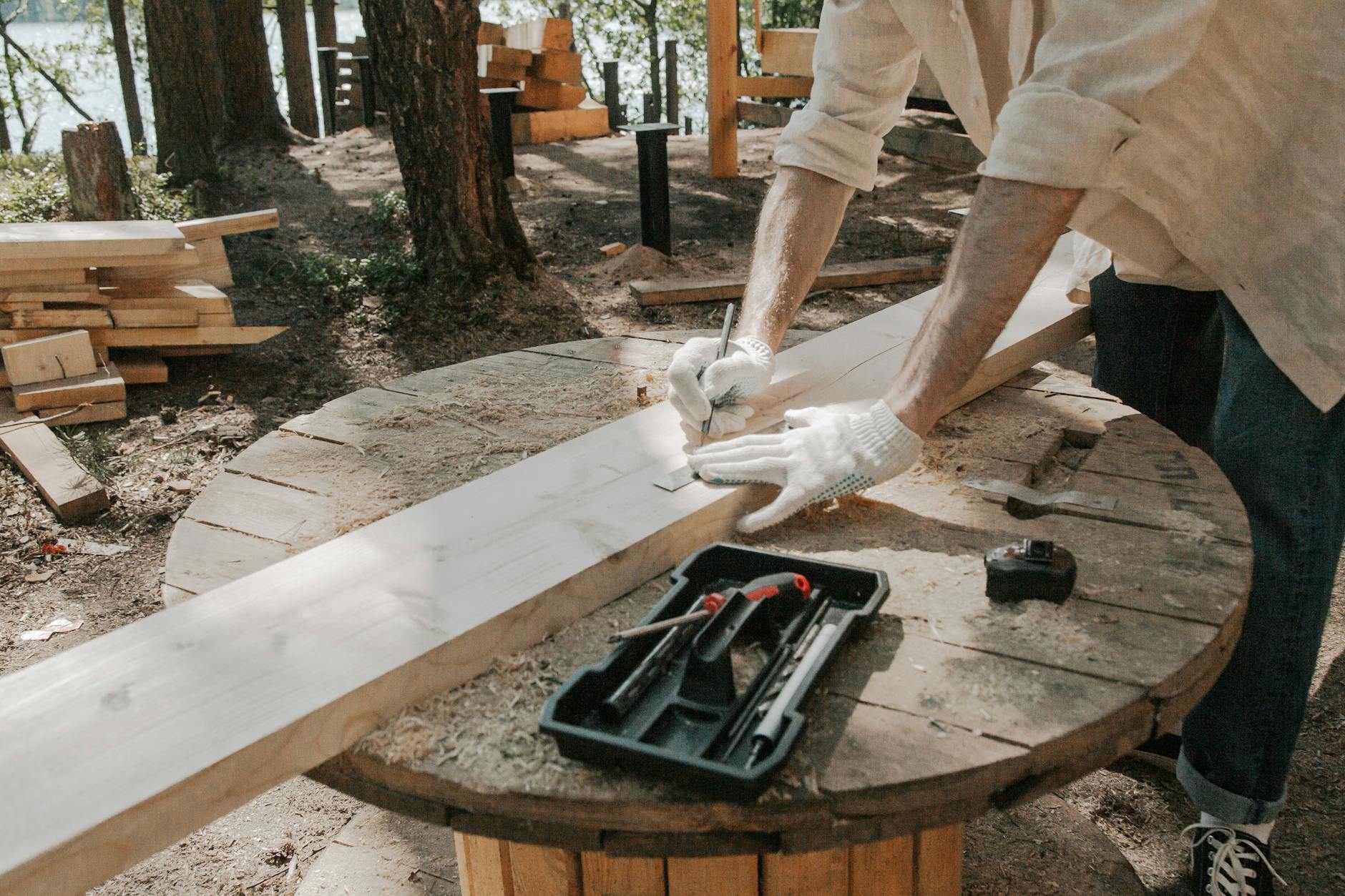
Carpentry work covers everything from installing baseboards and crown molding to building custom shelving or framing out a closet. We use finish-grade lumber — clear pine or poplar for paint-grade work, oak or other hardwoods if you're staining. MDF is cheaper, but it swells and crumbles if it gets wet, so we don't use it in Florida homes unless you specifically ask for it.
Trim installation starts with finding the studs and making sure the walls are reasonably flat. If they're not, we scribe the trim to fit or shim it out so it sits flush. Inside corners get coped, not mitered — a coped joint stays tight even when the wood shrinks or the house settles. Outside corners get mitered and glued. We use a finish nailer and fill the holes with putty that matches the wood or paint.
“Inside corners get coped, not mitered — a coped joint stays tight even when the wood shrinks or the house settles.”
Door and window casing is trim work, but it also affects how the door or window operates. If the jamb is out of plumb, we shim it before we case it. If the casing is too tight to the door slab, the door will rub when the humidity is high. We leave a reveal (usually 1/4 inch) between the jamb and the casing, and we make sure there's clearance between the casing and the door.
Accent walls — board-and-batten, shiplap, or tongue-and-groove — are popular right now. We install them over the existing drywall if the wall is sound, or directly to the studs if we're opening the wall anyway. The key is keeping the lines level and the spacing consistent. We use a laser level and a story pole so the layout is right before we start nailing.
Built-ins and custom shelving are quoted per project. We'll come out, measure, talk through what you want, and give you a price. Most built-ins take 2-4 days to build and install, then another day or two for paint or stain. We build on site when possible so the fit is exact, rather than building in the shop and hoping it fits when we get there.
Related services we handle on the same job.
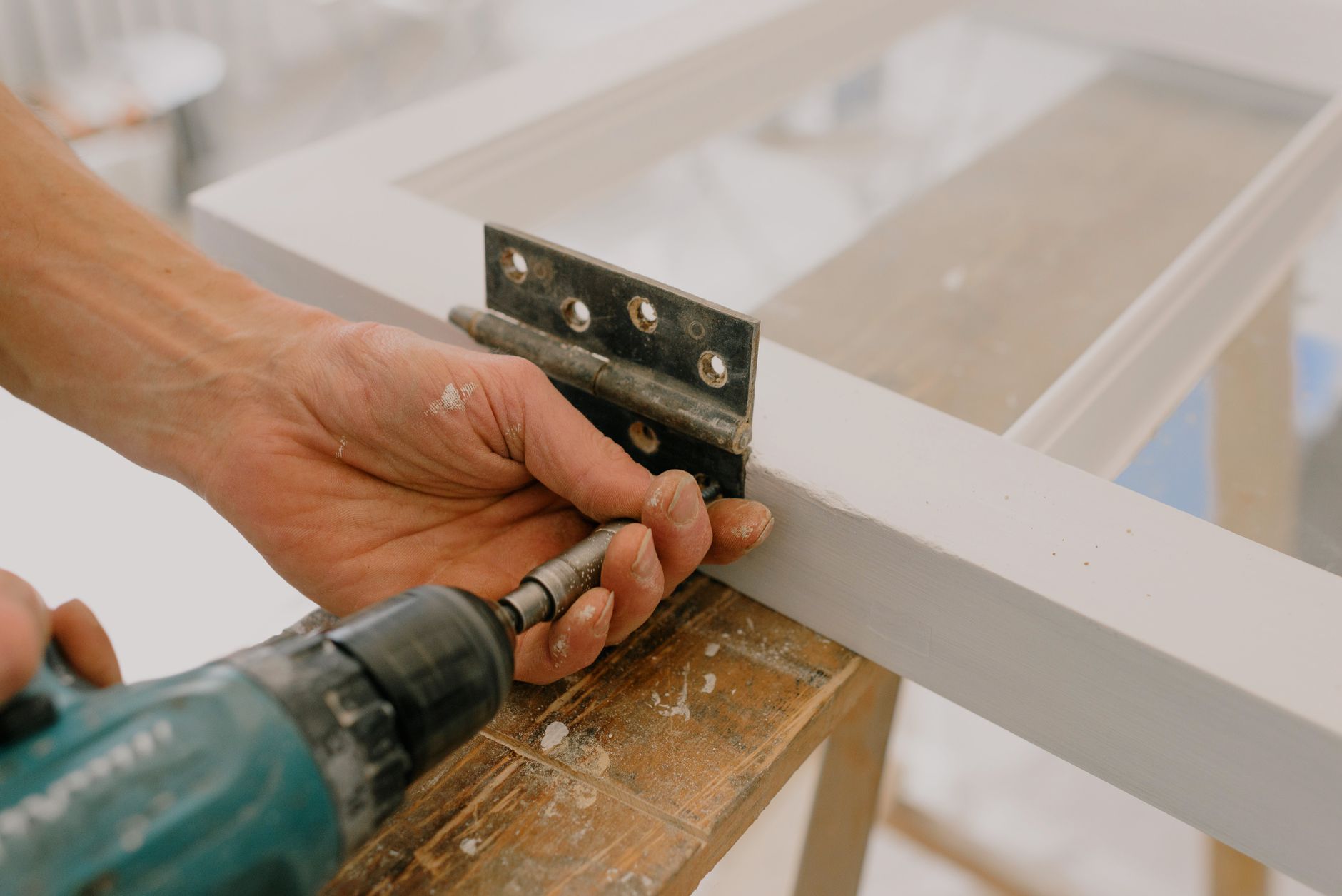
Interior Repairs
Drywall patches, trim work, door fixes, and paint touch-ups throughout the home.
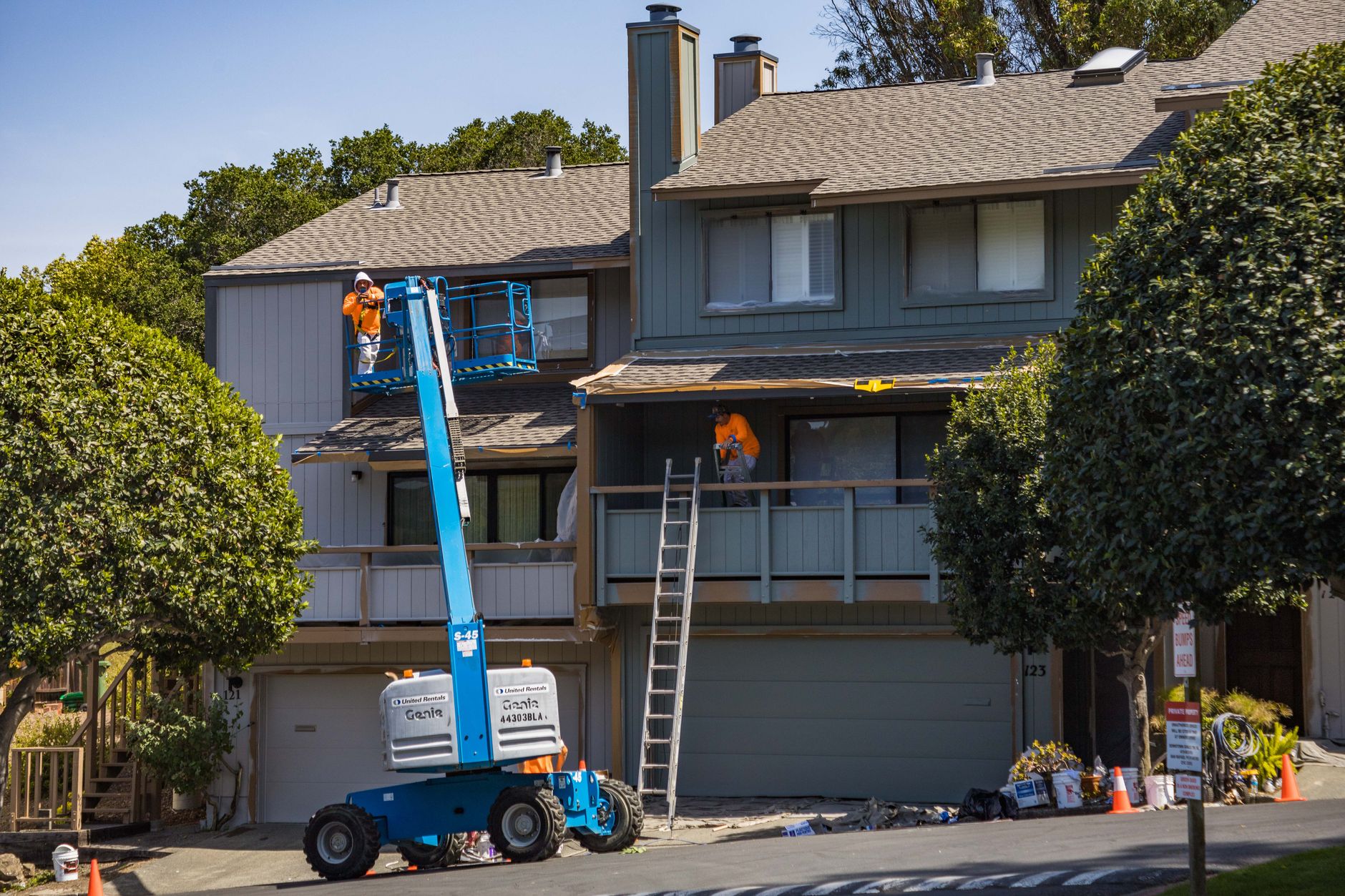
Exterior Repairs
Siding, soffit, fascia, deck, and porch repairs — built to hold up in Florida weather.

Mobile Home Repairs
Belly wrap, skirting, floor reinforcement, and the specific repairs manufactured homes need.