
Interior Repairs
- Drywall patching with proper backing and multiple mud coats
- Trim and baseboard installation using all-wood materials
- Door adjustments — planing, hinge tightening, striker plate replacement
- Paint touch-up and color matching from samples
- Wallpaper seam repair
- Flooring patches for laminate, vinyl, and tongue-and-groove

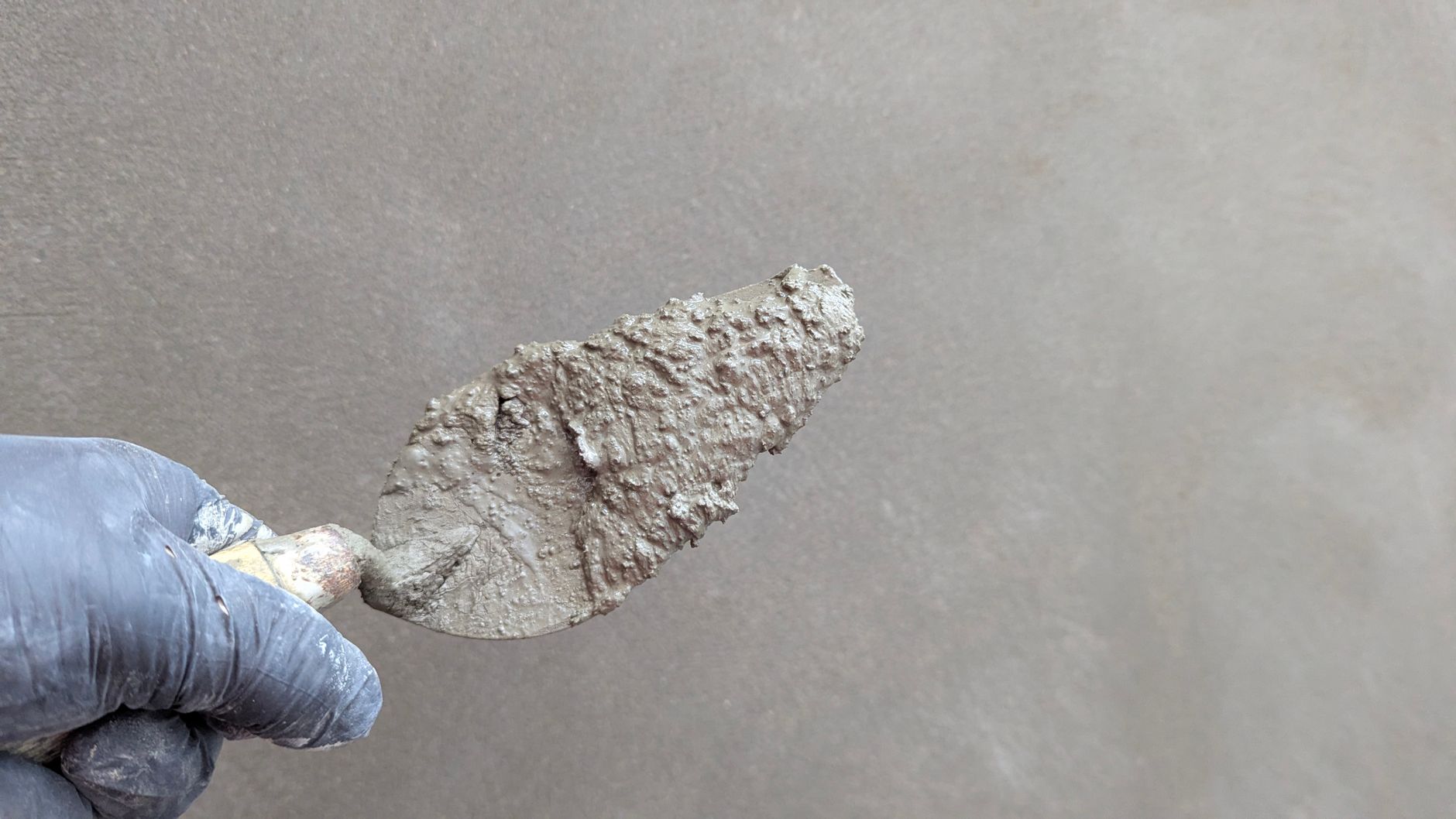
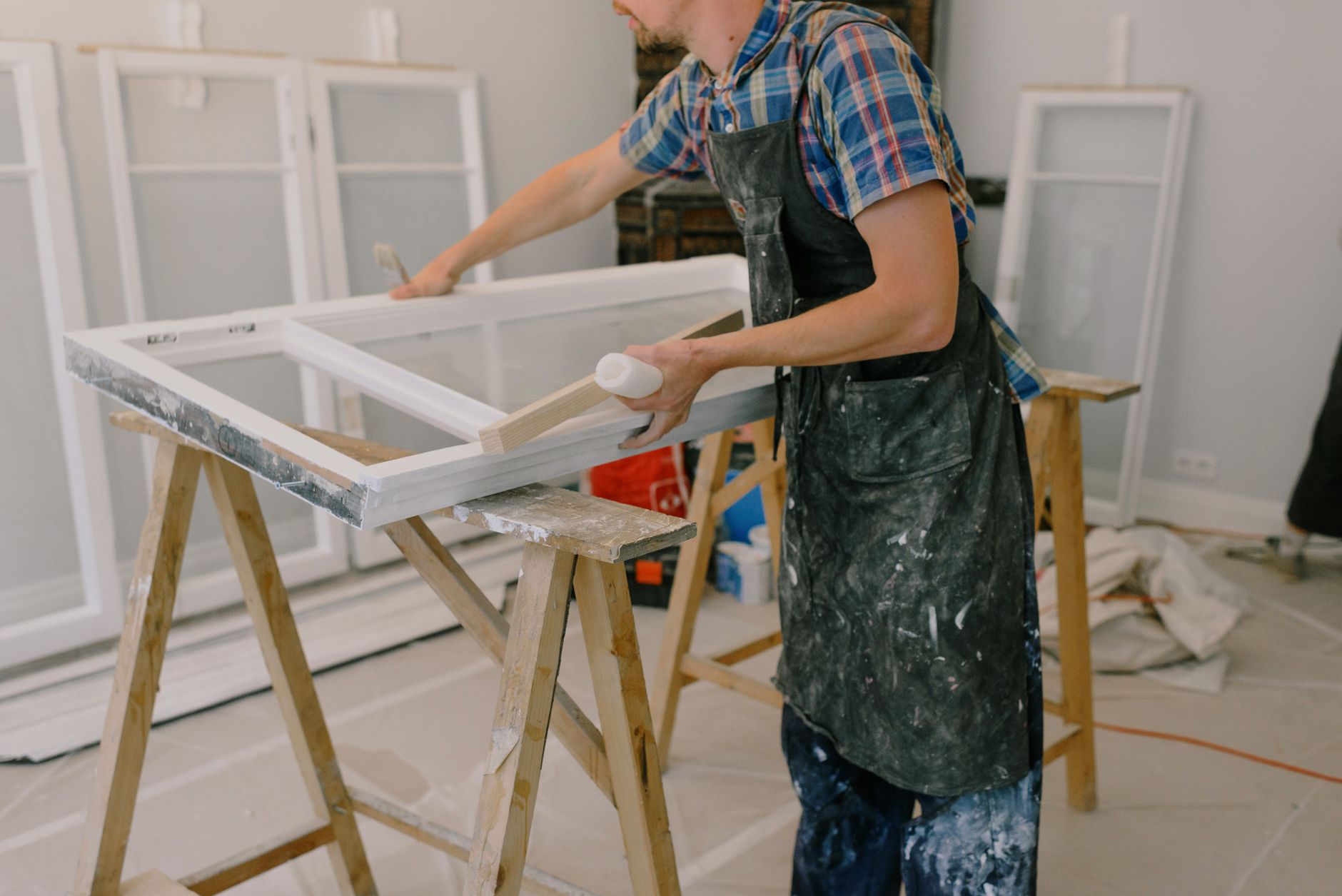


Interior work covers everything from patching drywall after a leak to replacing damaged trim, fixing doors that won't latch, installing new baseboards, or repairing wallpaper seams. We use all-wood trim — no MDF or particle board that swells when it gets wet. Drywall repairs get proper backing and multiple mud coats; we don't just slap a patch on and call it done.
Paint matching depends on what you've got. If you have the original paint code or a can in the garage, we're set. If not, we cut a sample from behind an outlet cover or inside a closet and get it matched at the paint store. Sherwin-Williams has the best color-matching system for older paints. Expect a slight difference in sheen if your walls have faded over the years — that's physics, not poor workmanship.
“Door repairs usually mean planing down a door that's rubbing after the house settled, tightening hinge screws that have stripped out, or replacing a striker plate that's been painted over so many times the latch won't catch anymore.”
Door repairs usually mean planing down a door that's rubbing after the house settled, tightening hinge screws that have stripped out (we use toothpicks and wood glue, not bigger screws), or replacing a striker plate that's been painted over so many times the latch won't catch anymore. If the door frame itself is out of square, that's a bigger job — we'll tell you up front if shimming and adjusting won't fix it.
Flooring repairs depend on what you've got. We can replace damaged laminate planks if you have extras from the original install, patch vinyl, or sister in new tongue-and-groove if a few boards are water-damaged. Tile work is separate — see our tile service.
Baseboard and casing installation starts with finding the studs and making sure the walls are reasonably flat. If they're not, we scribe the trim to fit or shim it out so it sits flush. Inside corners get coped, not mitered — a coped joint stays tight even when the wood shrinks or the house settles. Outside corners get mitered and glued. We use a finish nailer and fill the holes with putty that matches the wood or paint.
Related services we handle on the same job.
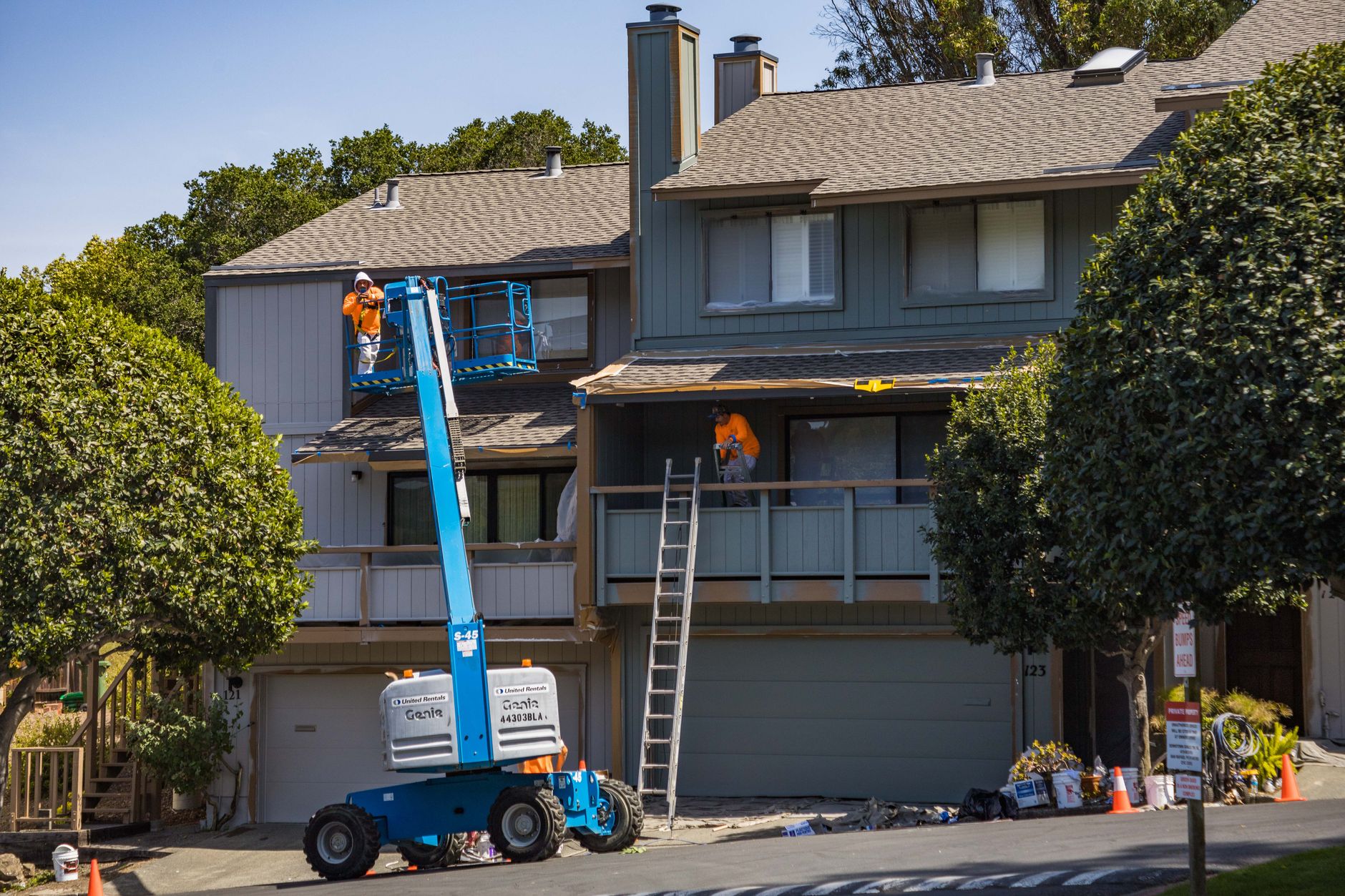
Exterior Repairs
Siding, soffit, fascia, deck, and porch repairs — built to hold up in Florida weather.
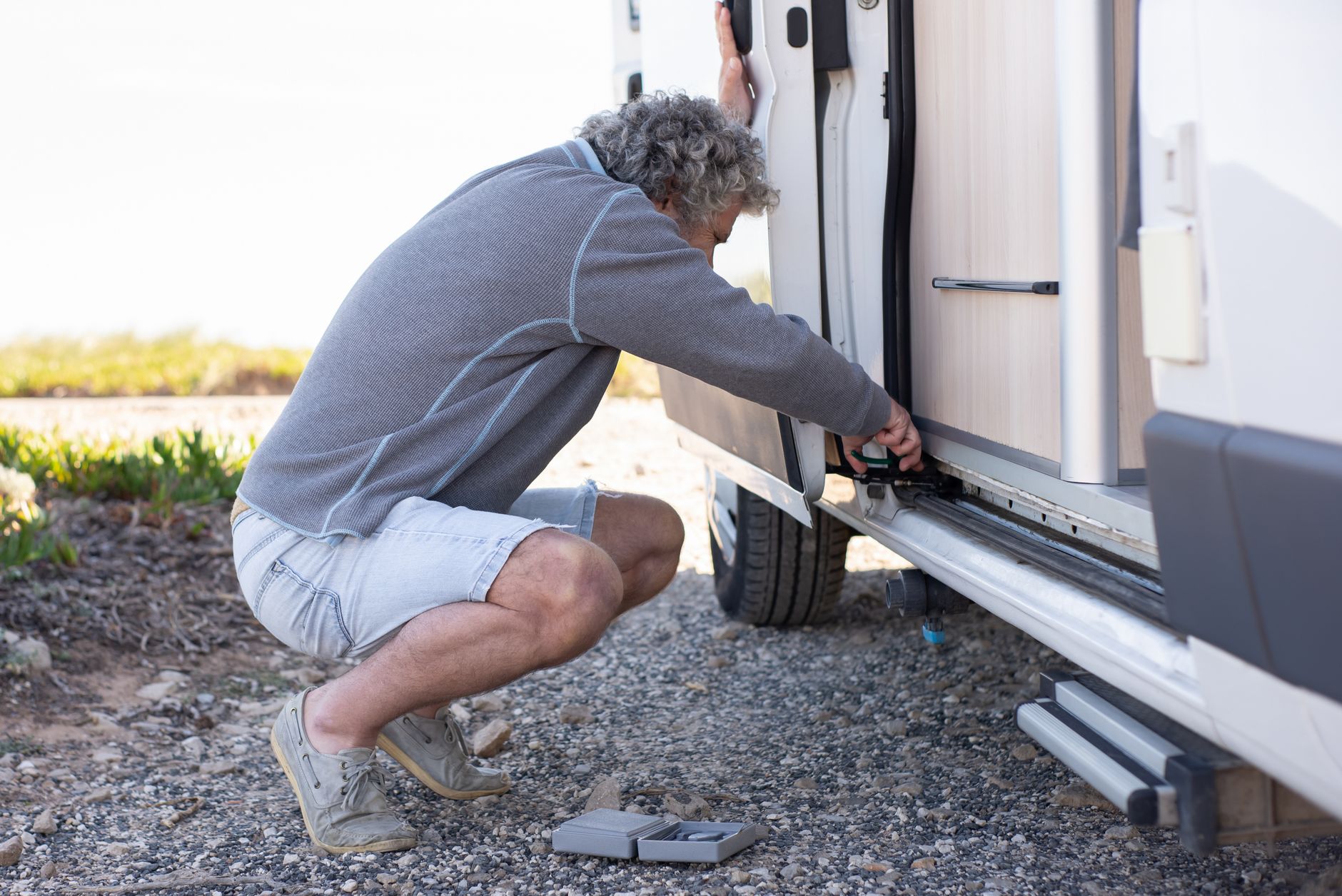
Mobile Home Repairs
Belly wrap, skirting, floor reinforcement, and the specific repairs manufactured homes need.
Tile Repair and Installation
Backsplash, shower tile, floor tile, and repairs — with proper substrate and waterproofing.