
Lawn Service
- Mowing with sharpened blades
- String trimming around fences, posts, and beds
- Edging along driveways, walkways, and curbs
- Blowing clippings off drives, walks, and patios
- Seasonal schedule — weekly in growing season, biweekly in winter

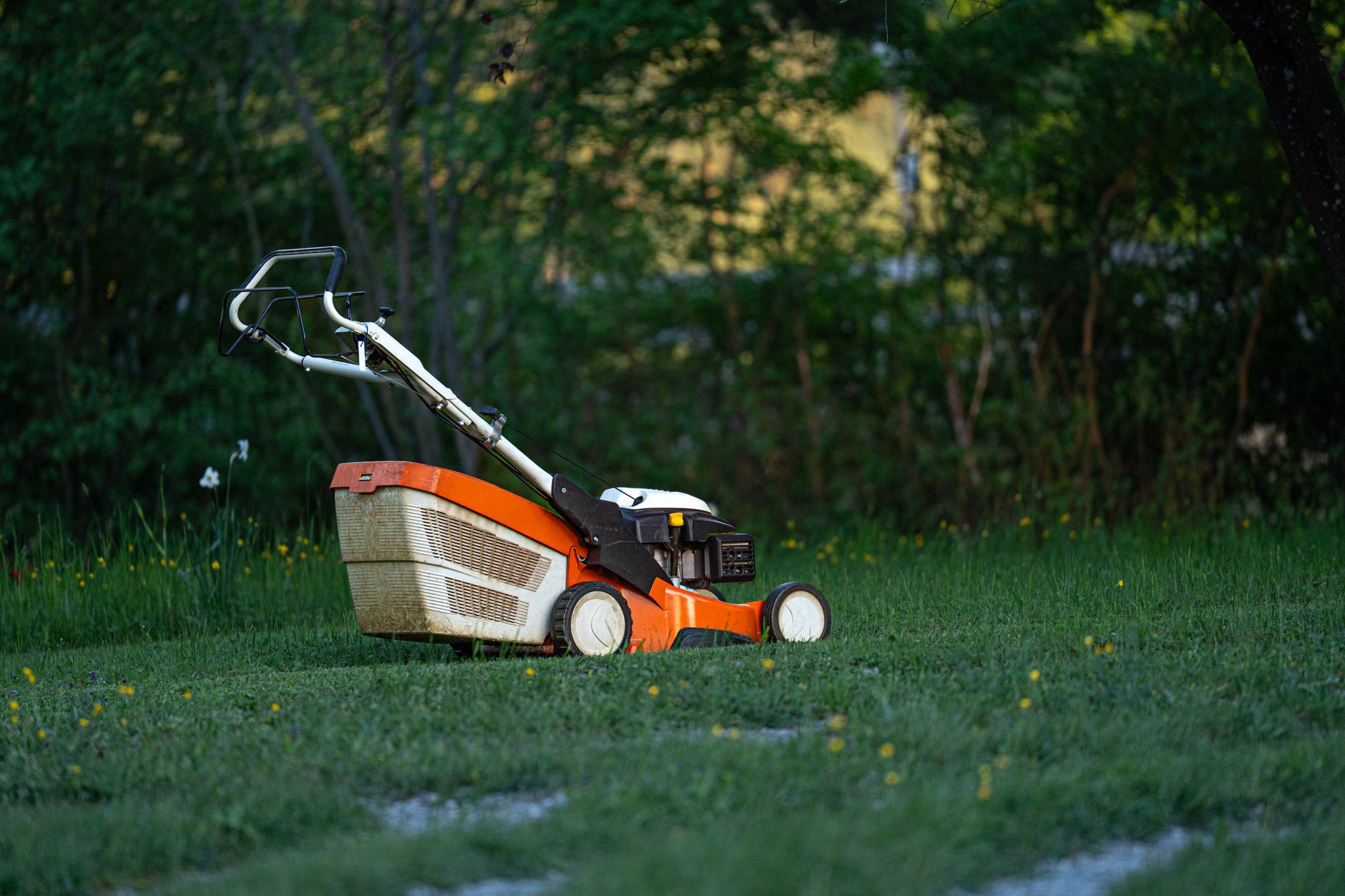


Most yards around Columbia County are St. Augustine or Bahia, and they want to be treated differently. St. Augustine is the thick, broad-bladed turf most people picture on a Florida lawn, and it needs to be cut high — 3.5 to 4 inches. Bahia is the tougher, more open grass common on larger rural lots, and it tolerates a lower cut and less water.
Cut height is the part that matters most and the part most often gotten wrong. Scalping St. Augustine stresses the runners, exposes soil to sunlight, and gives weeds an opening. It also makes chinch bug damage far worse, because thin, stressed turf is exactly what they go after. We keep the deck high and the blades sharp — a dull blade tears the leaf instead of cutting it, which browns the tips and invites disease in humidity.
“Cutting St. Augustine too short is the most common mistake we see. Scalped turf invites weeds and chinch bugs, and it takes most of a season to recover.”
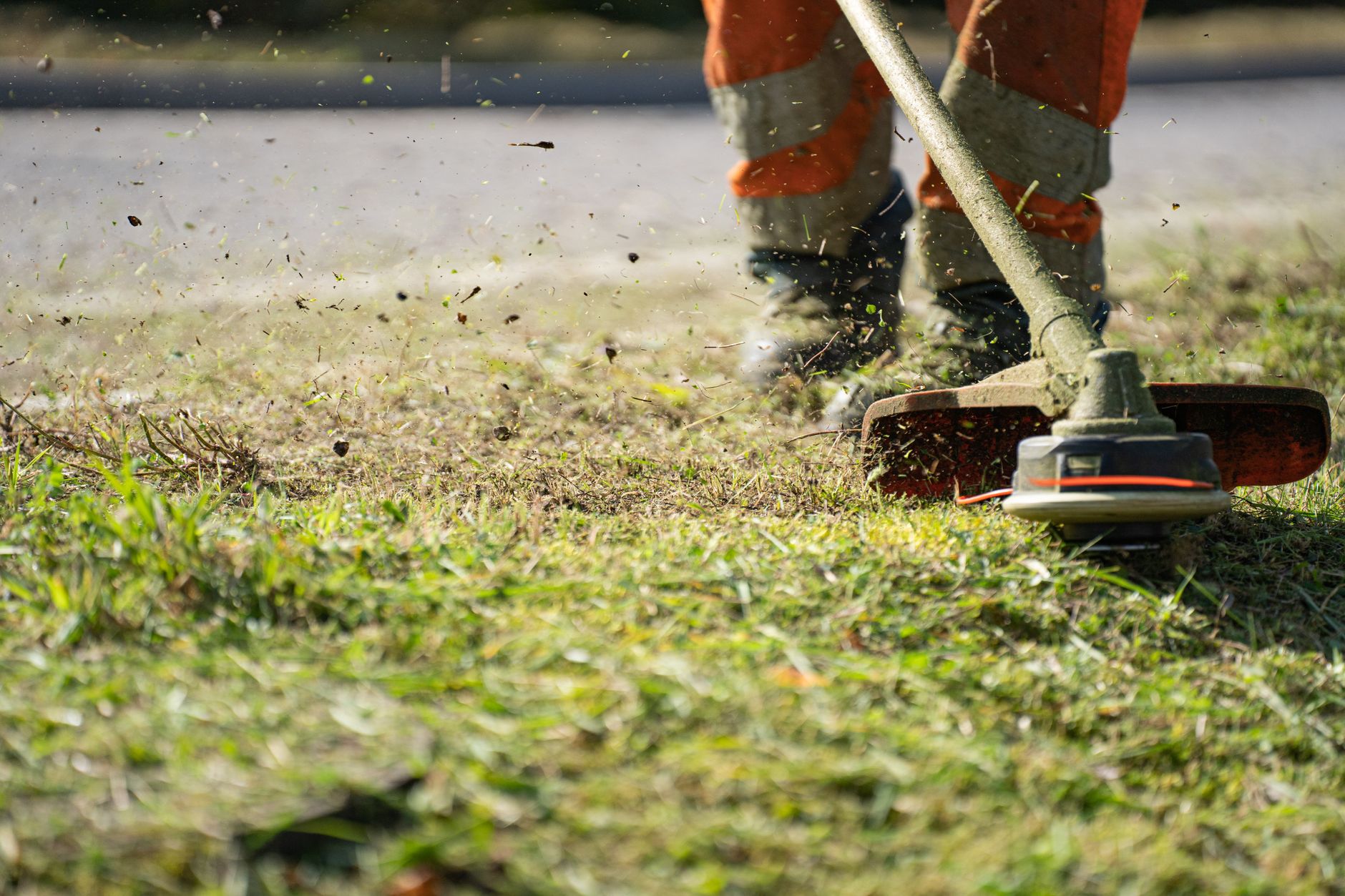
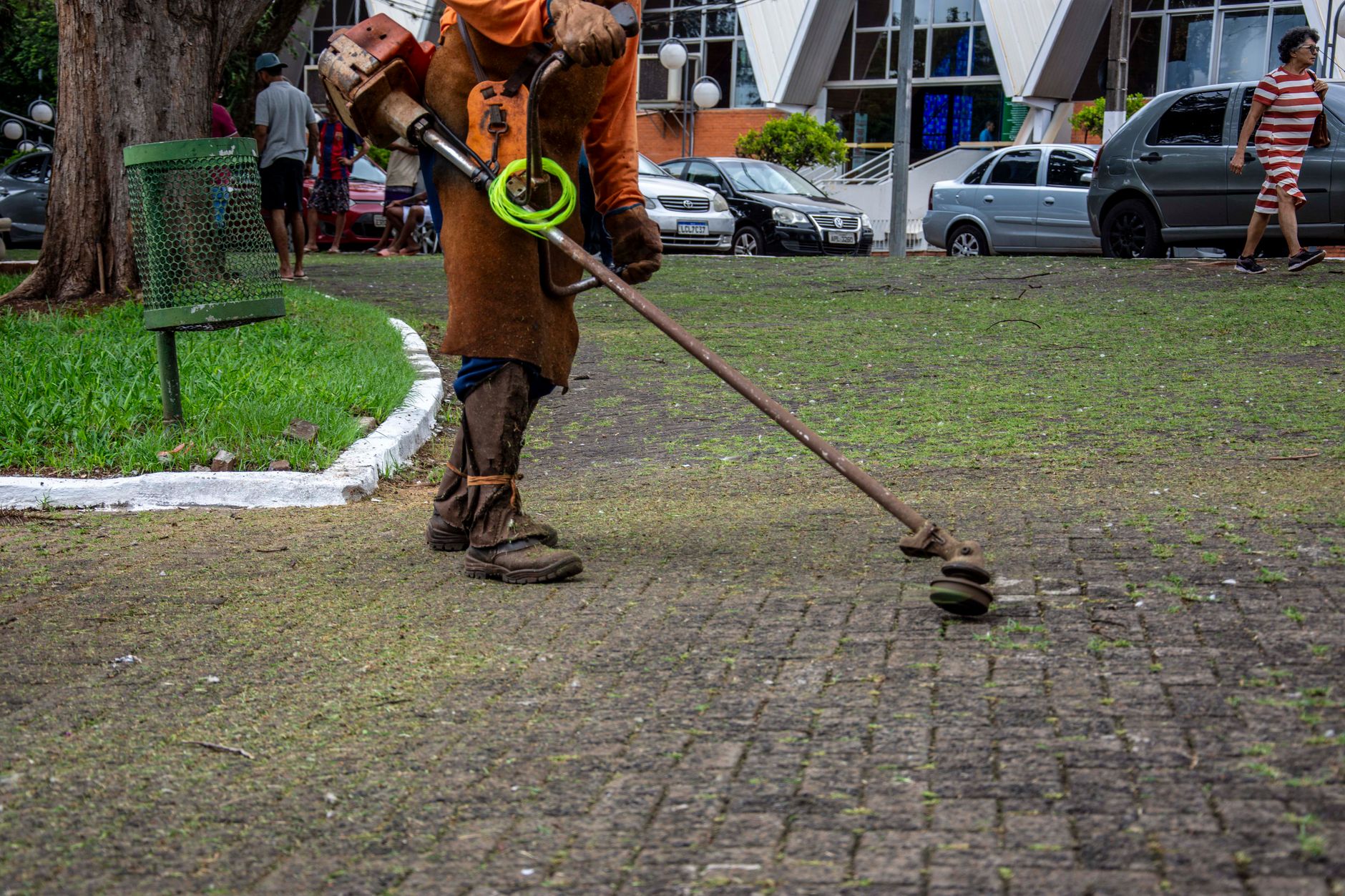
A visit is mow, string trim around fences, posts, mailboxes and beds, edge the hard lines along driveways and walkways, then blow everything off the concrete. We blow clippings back onto the lawn rather than into the street or a storm drain.
Schedule follows the season rather than the calendar. From March through October growth is fast and weekly is the right interval — skipping a week in July means cutting off more than a third of the blade, which stresses the turf. Once growth slows from December through February, every other week is usually enough.
We do one-time cuts as well as recurring service. If a yard has gotten well ahead of itself, the first visit takes longer and sometimes needs two passes at descending heights rather than one hard scalp.
What this service does not include is fertilization, weed-and-feed, or pest treatment. Applying those in Florida requires a state pesticide applicator license, and we would rather tell you that than quietly spray something we are not licensed to apply.
Related services we handle on the same job.
General Handyman Repairs
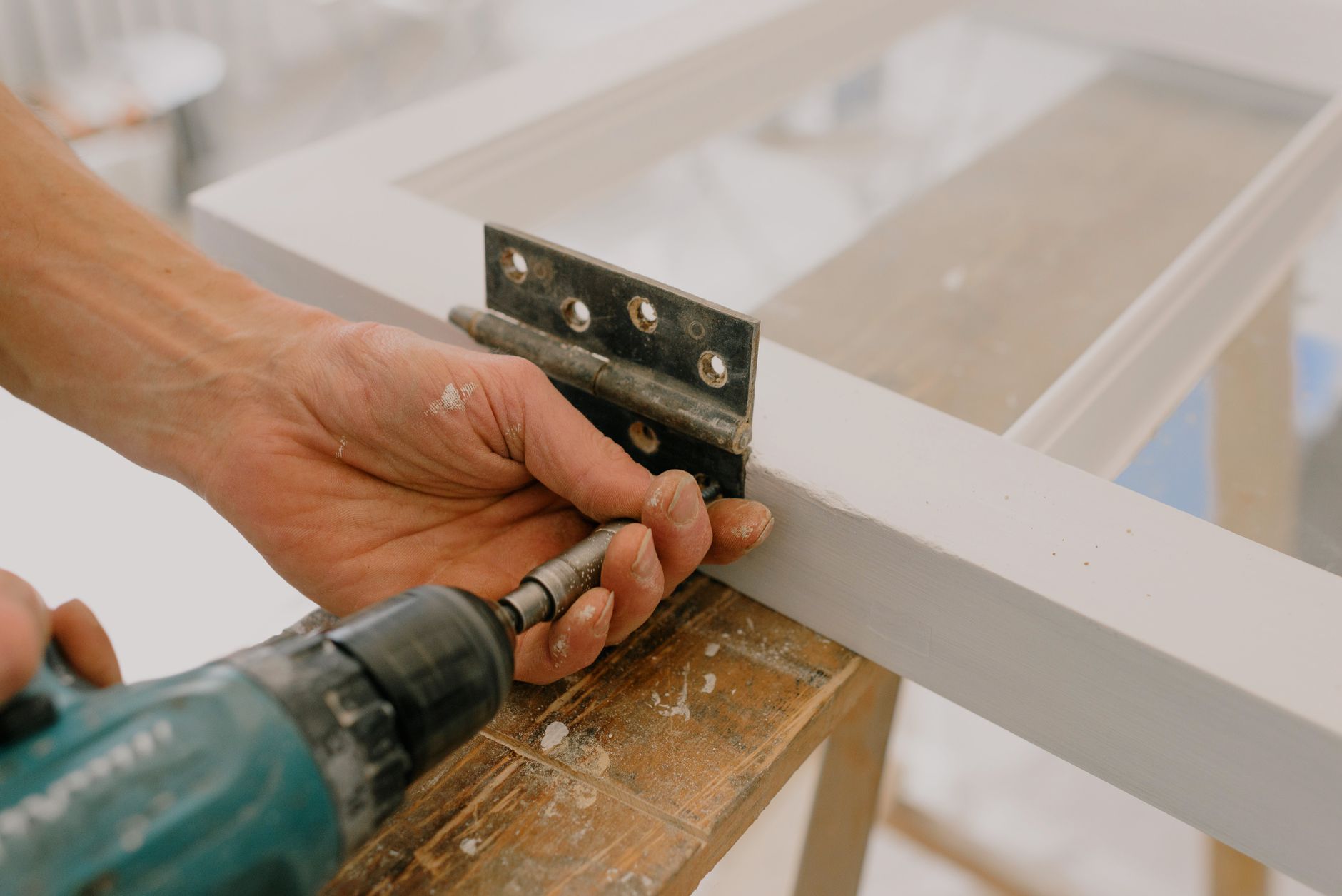
Drywall patches, door adjustments, outlet swaps, cabinet repairs — the small fixes that pile up.
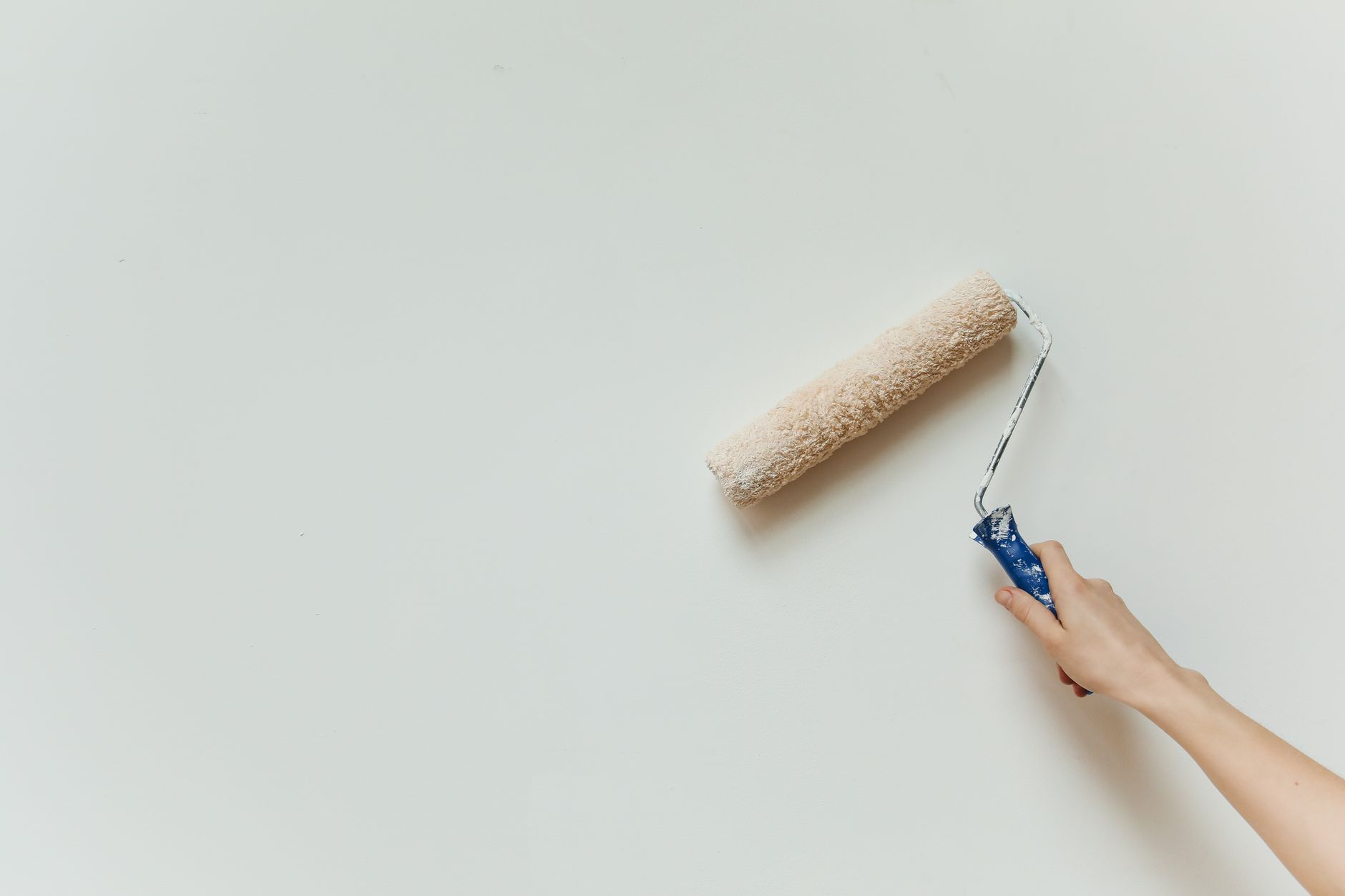
Interior Painting
Walls, trim, ceilings, cabinets — prepped correctly and painted with Sherwin-Williams products.
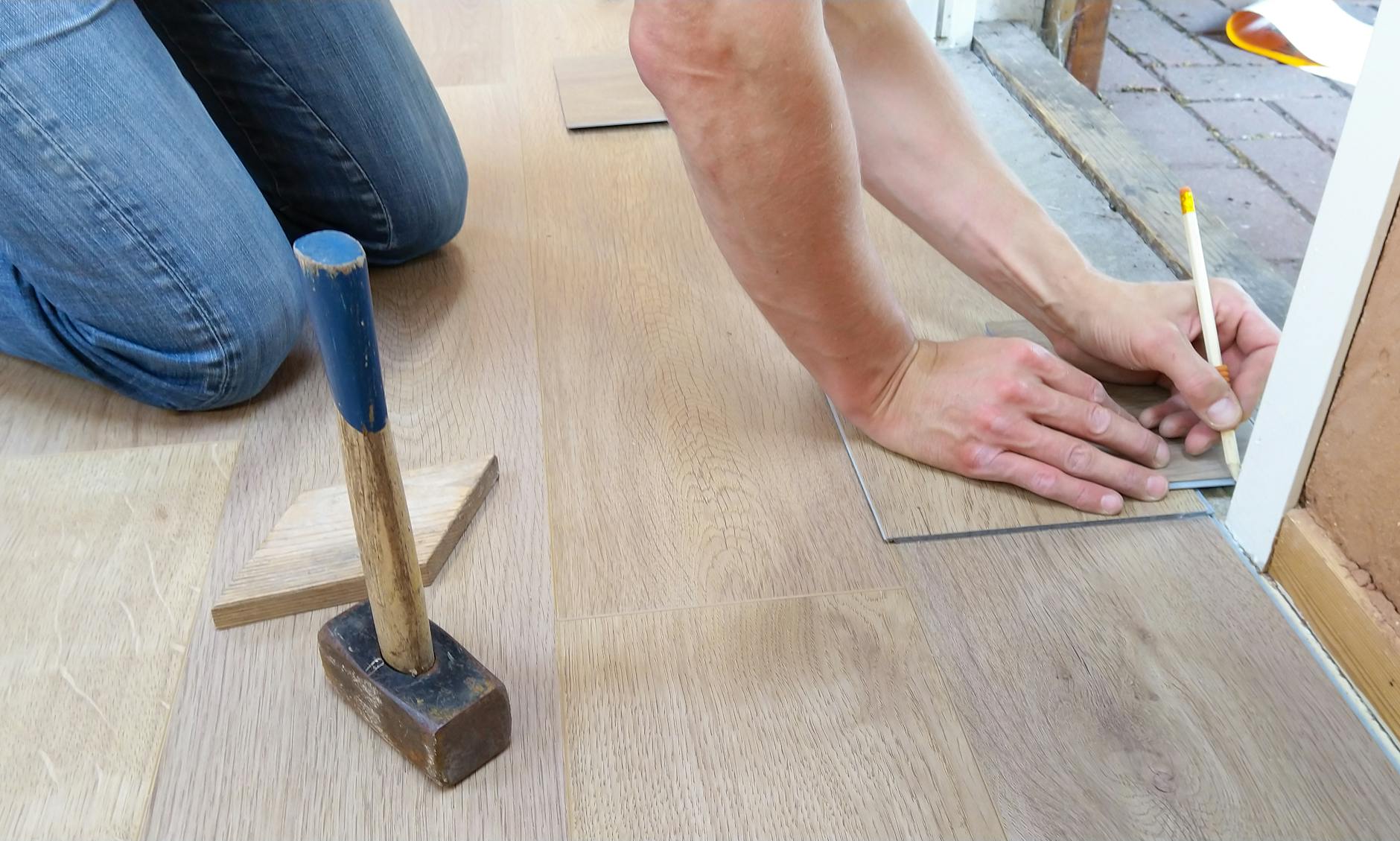
Flooring Installation and Repair
Vinyl plank, laminate, tile — installation and repair with subfloor checks for soft spots.