
Light Fixture and Ceiling Fan Installation
- Ceiling fan installation with fan-rated box or brace
- Light fixture replacement and installation
- Recessed lighting installation with IC-rated housings
- Dimmer switch installation — LED-compatible
- Balancing and downrod adjustment for ceiling fans
- Wire fishing and box installation when no existing box is present

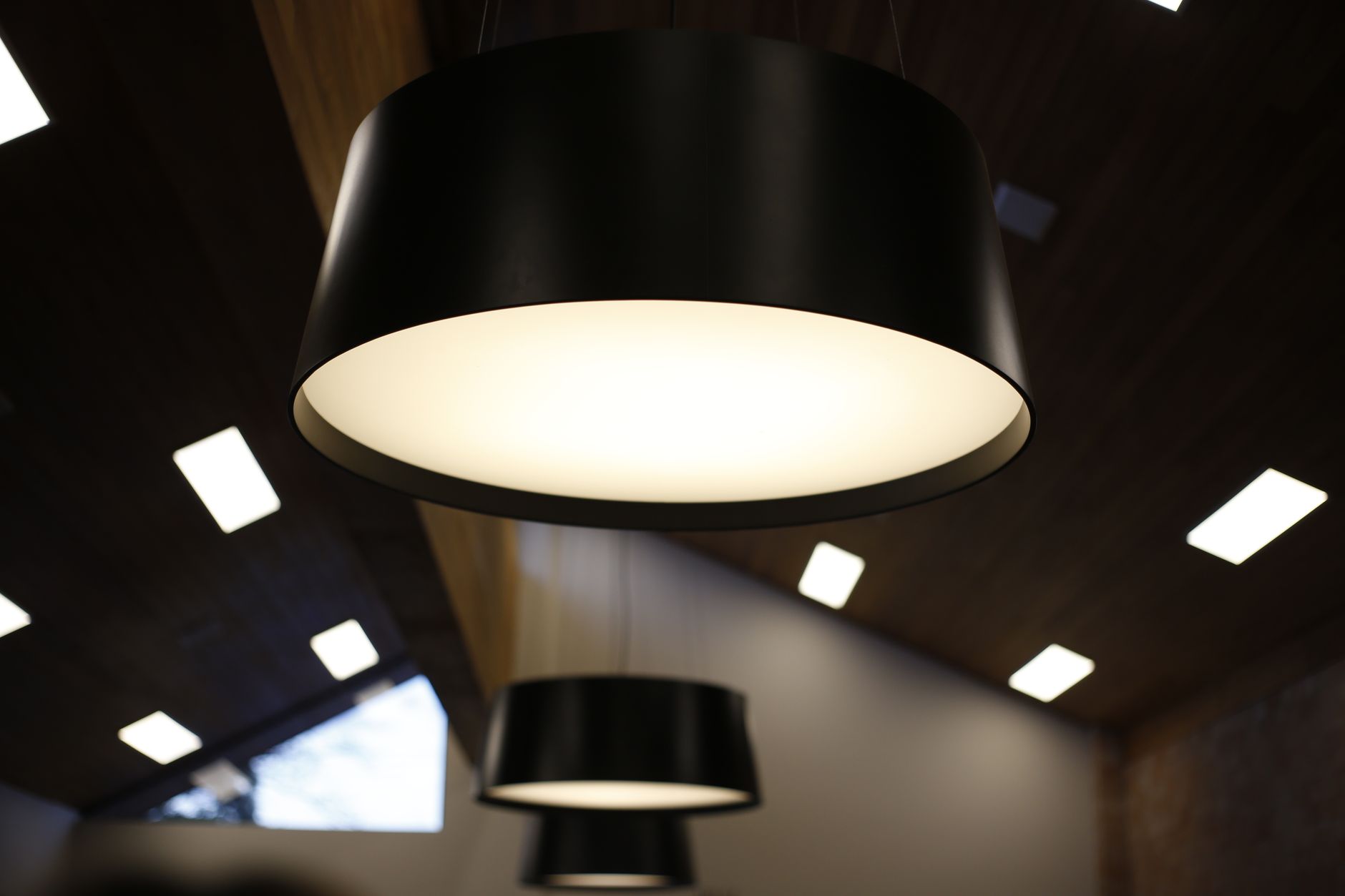


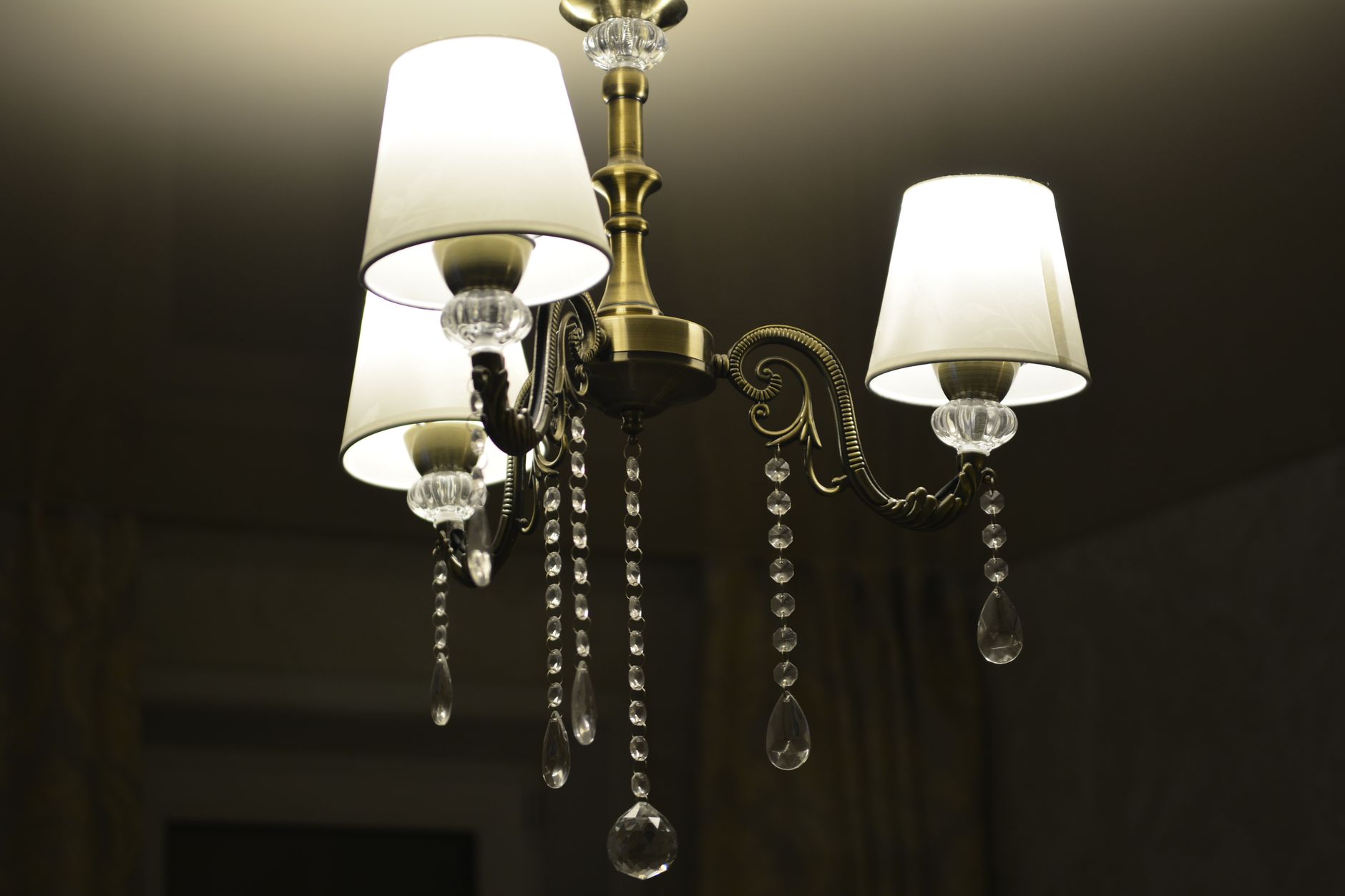

Light fixture and ceiling fan installation is straightforward if the wiring and box are already in place. We shut off the breaker, remove the old fixture, connect the new one, and test it. If the fixture is heavy or if it's a ceiling fan, the box needs to be rated for the weight. A standard plastic ceiling box won't hold a fan — it'll vibrate loose and eventually fall. We install a fan-rated metal box anchored to a joist or a fan brace that spans between joists.
If there's no existing box where you want the fixture, we need to run wire from a switch or another fixture. That means opening the ceiling or the wall, fishing wire, installing a box, patching, and painting. It's not a huge job, but it's more than just swapping a fixture. We'll tell you what's involved and give you a price before we start cutting.
“A standard plastic ceiling box won't hold a fan — it'll vibrate loose and eventually fall. We install a fan-rated metal box anchored to a joist or a fan brace that spans between joists.”
Ceiling fans need to be balanced or they'll wobble and hum. We use a balancing kit if needed and make sure the downrod is the right length for the ceiling height. Fans in rooms with ceilings under eight feet should be flush-mount. Fans in rooms with high ceilings need a longer downrod so the blades are seven to nine feet off the floor — that's where they move the most air.
Dimmer switches need to match the type of bulb. LED bulbs need an LED-compatible dimmer or they'll flicker and buzz. If you're installing new fixtures with LEDs, we'll install the right dimmer at the same time. Old incandescent dimmers don't work with LEDs.
Recessed lighting (can lights) requires cutting holes in the ceiling, running wire, and installing the housings. We use IC-rated housings if they're going in an insulated ceiling. Non-IC housings need clearance from insulation or they overheat. We'll patch and paint the ceiling after the lights are in, or leave it to you if you're planning to repaint the whole room anyway.
Related services we handle on the same job.

Interior Repairs
Drywall patches, trim work, door fixes, and paint touch-ups throughout the home.
Exterior Repairs
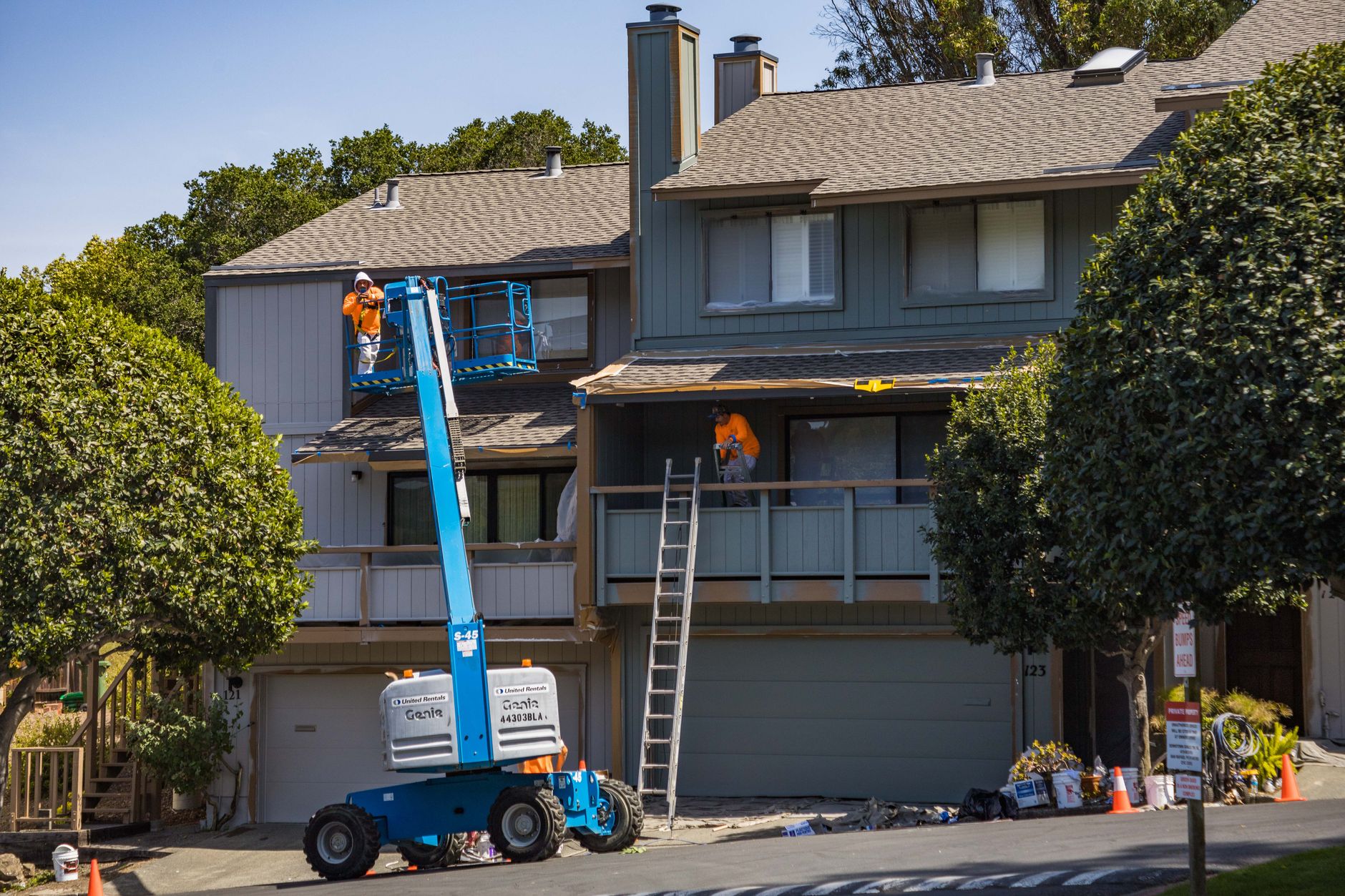
Siding, soffit, fascia, deck, and porch repairs — built to hold up in Florida weather.

Mobile Home Repairs
Belly wrap, skirting, floor reinforcement, and the specific repairs manufactured homes need.