
Mobile Home Repairs
- Floor and subfloor repairs
- Skirting replacement
- Underbelly repair
- Door and window adjustments
- Wall paneling and trim
- Rim joist replacement

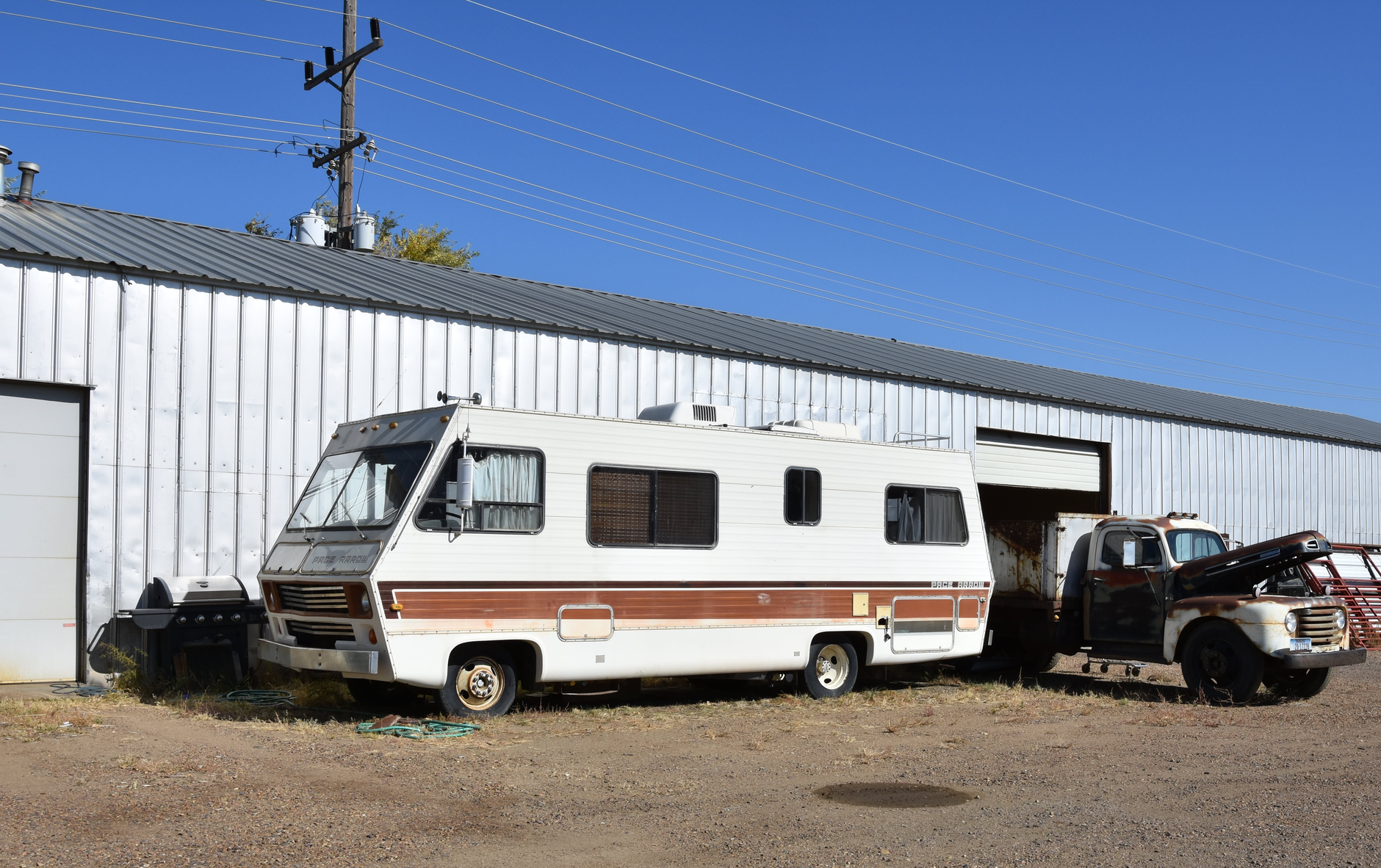


Mobile homes are built differently — thinner wall studs, metal framing in places, and a lot of stapled paneling instead of drywall. That means repairs need different fasteners and techniques. We use toggle bolts or specialty anchors for anything heavy mounted to the walls, and we know where the actual framing is versus where the paneling seams make it look like there's a stud.
Floor soft spots are common, especially in older units. The subfloor is usually particle board, and when moisture gets in from a leak or poor underbelly ventilation, it swells and rots. We'll cut out the damaged section, sister in new joists if needed, and patch with plywood. If the damage is widespread, you're looking at a bigger subfloor replacement job that might need a contractor with mobile home experience.
Skirting and underbelly repairs keep critters out and insulation in. We replace damaged vinyl skirting panels, re-secure sections that have blown loose in storms, and patch underbelly material that's torn or sagging. Proper ventilation under the home matters — without it, you get moisture buildup and mold.
“Mobile homes are built differently — thinner wall studs, metal framing in places, and a lot of stapled paneling instead of drywall.”
Doors and windows in mobile homes are often slightly non-standard sizes. We adjust what's there when possible, but if you need a replacement, it might be a mobile-home-specific unit, not something you'll find at a big-box store. We'll measure and let you know what you need.
Columbia County has a lot of mobile homes, and we work on them regularly. The repairs are straightforward if you know the construction differences. Wall repairs often involve working with the paneling — matching the grain, securing it to the thin studs without splitting them, and caulking seams so moisture doesn't get behind it.
Rim joist repairs are necessary when the outer edge of the floor system has rotted from moisture exposure. We jack up the affected section, replace the rotted rim joist with pressure-treated lumber, and re-secure the floor deck. It's a structural repair that needs to be done right or the floor will sag again.
Mobile home plumbing and electrical are often run differently than site-built homes — under the floor instead of in the walls. That means access for repairs sometimes requires cutting into the underbelly or pulling up flooring. We'll explain what's involved before we start.
Related services we handle on the same job.
General Handyman Repairs
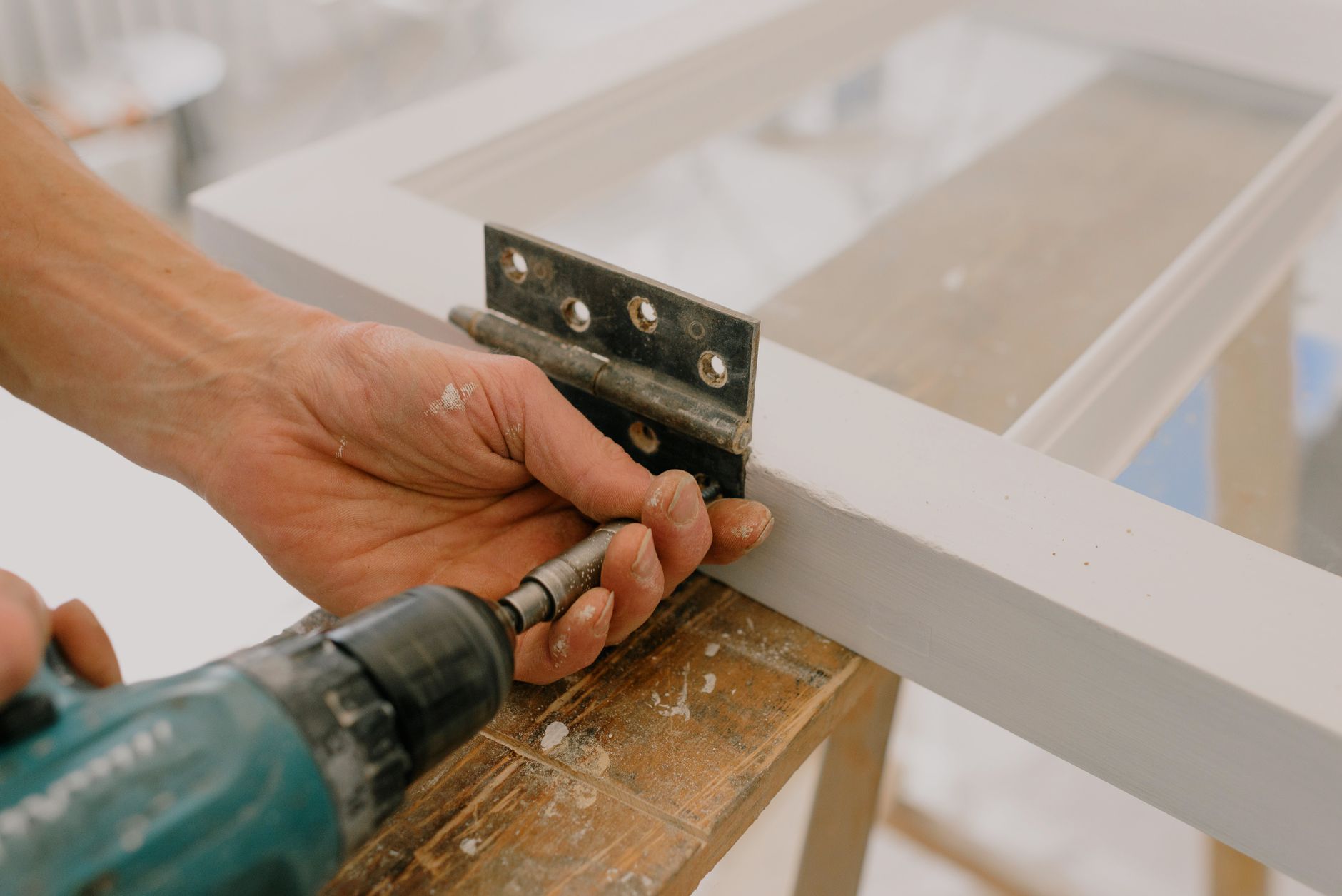
Drywall patches, door adjustments, outlet swaps, cabinet repairs — the small fixes that pile up.
Interior Painting
Walls, trim, ceilings, cabinets — prepped correctly and painted with Sherwin-Williams products.
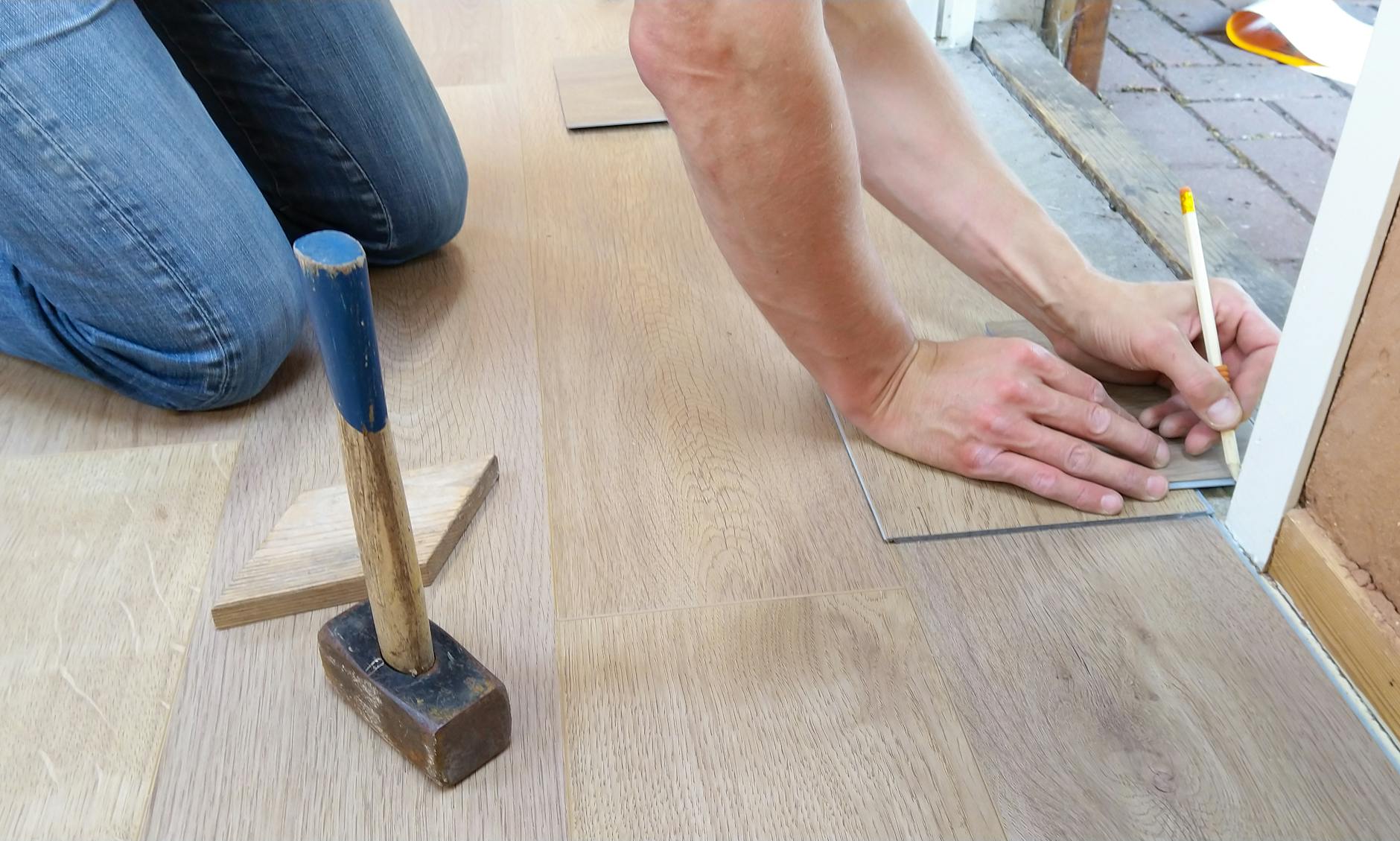
Flooring Installation and Repair
Vinyl plank, laminate, tile — installation and repair with subfloor checks for soft spots.