
Tile Repair and Installation
- Backsplash installation with level layout and outlet cuts
- Shower tile with cement board or Schluter Kerdi waterproofing
- Floor tile with proper slope to drain in wet areas
- Tile repair with matching or closet-swap strategy
- Grout repair, resealing, and caulk replacement
- Unsanded grout for walls, sanded grout for floors


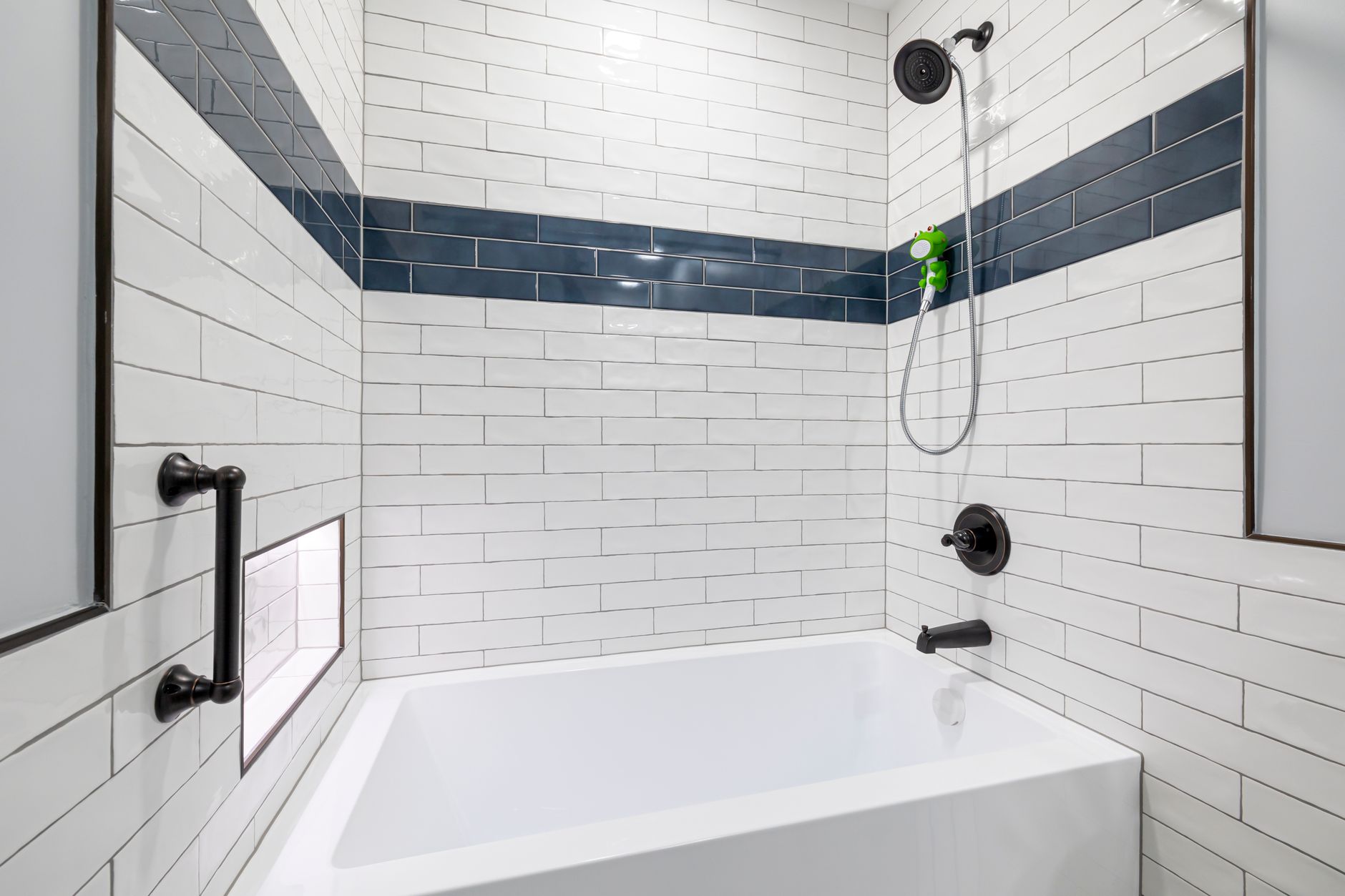

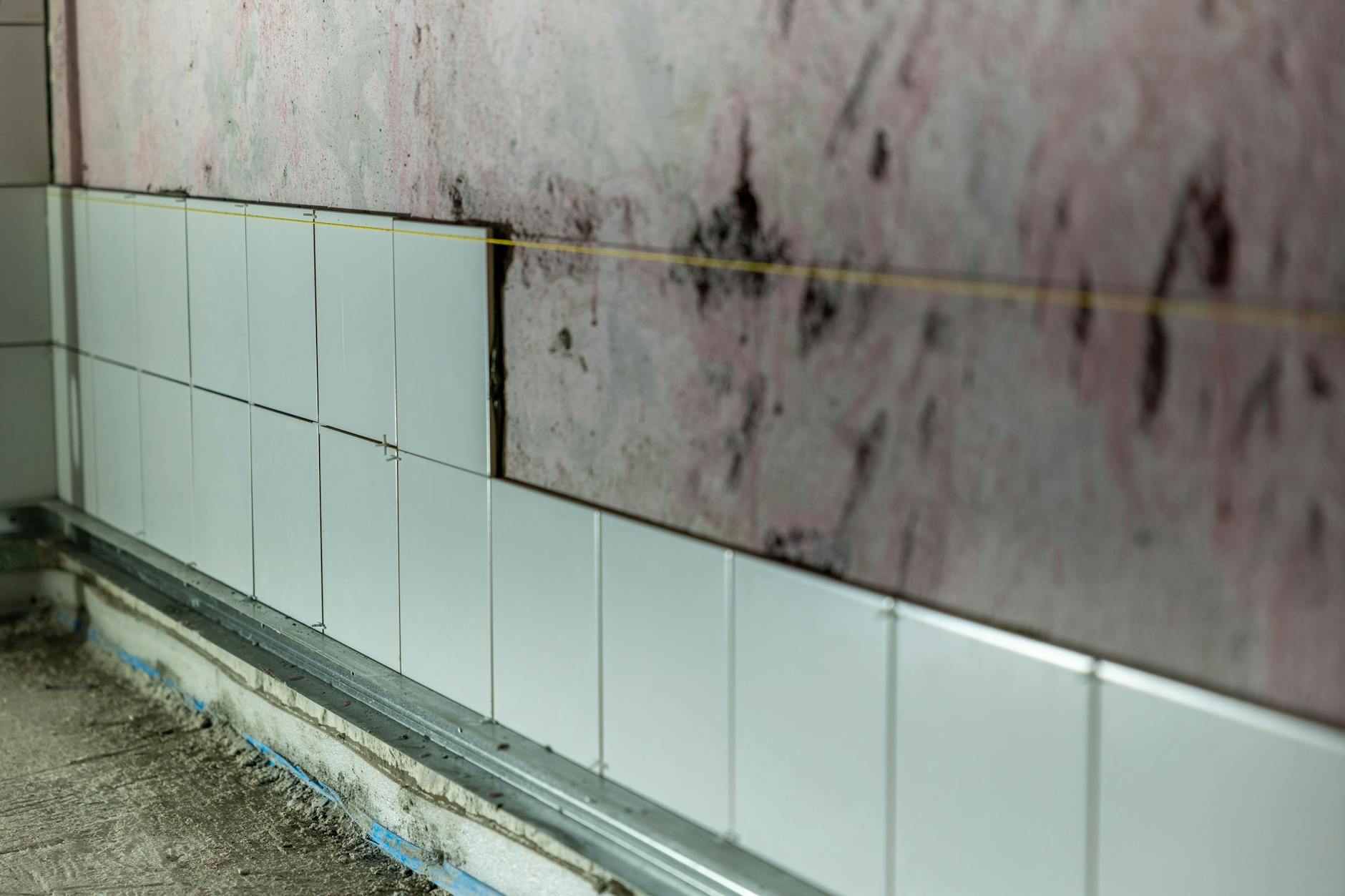

Tile work starts with making sure the surface behind the tile is solid and, if it's a wet area, properly waterproofed. We don't tile over drywall in a shower — that's a failure waiting to happen. Cement board or a waterproof membrane system like Schluter Kerdi is the right way to do it. If we're repairing tile and find the substrate is compromised, we'll tell you before we go further.
Backsplash installation is straightforward if the wall is flat and the countertop is level. We start with a level line, work up from there, and cut around outlets and switches with a wet saw. Grout color matters — it's half the look. We seal grout in kitchens and baths after it cures to keep it from staining. Expect the grout to look slightly darker once it's sealed.
“We don't tile over drywall in a shower — that's a failure waiting to happen. Cement board or a waterproof membrane system like Schluter Kerdi is the right way to do it.”
Floor tile repairs usually mean matching existing tile, which can be hard if the tile is discontinued. If you're replacing a cracked tile, we try to pull it without damaging the neighbors, but sometimes adjacent tiles crack during removal. If we can't match the tile, we pull a few from inside a closet and use those in the visible area, then put the new (non-matching) tile in the closet. It's not ideal, but it's better than a mismatched tile in the middle of your kitchen.
Shower tile work involves ripping out the old tile and any damaged substrate, installing cement board or a membrane system, sloping the floor to the drain (1/4 inch per foot minimum), setting the tile, grouting, and sealing. We use unsanded grout for wall joints under 1/8 inch and sanded grout for floors. Corners get caulk, not grout, so they can flex without cracking.
Tile layout matters. We dry-lay the tile before we mix any mortar to make sure the cuts at the edges are balanced and that we're not ending up with a sliver of tile in a visible corner. Small adjustments to the starting point can make a big difference in how the finished floor looks.
Related services we handle on the same job.
Interior Repairs
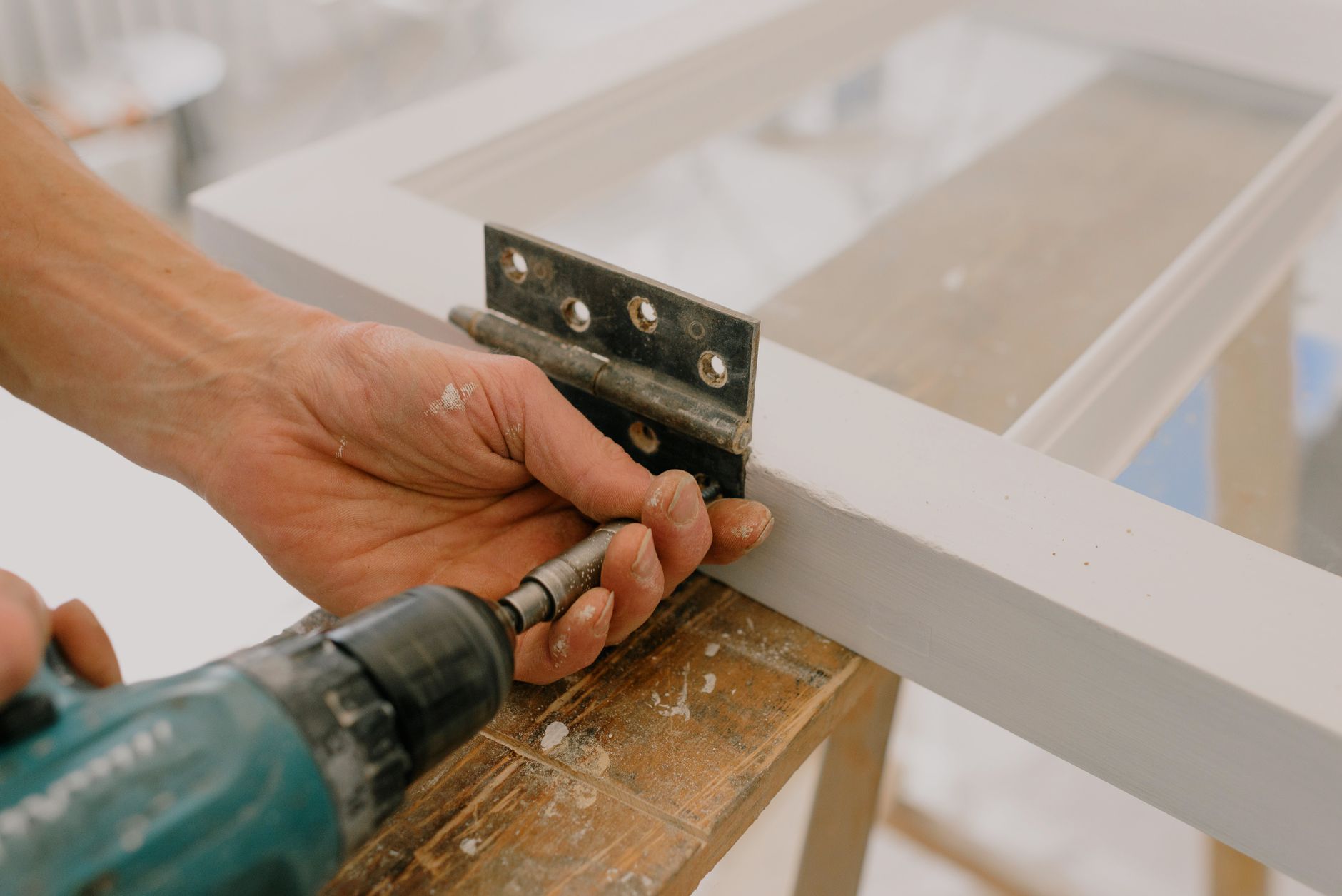
Drywall patches, trim work, door fixes, and paint touch-ups throughout the home.
Exterior Repairs
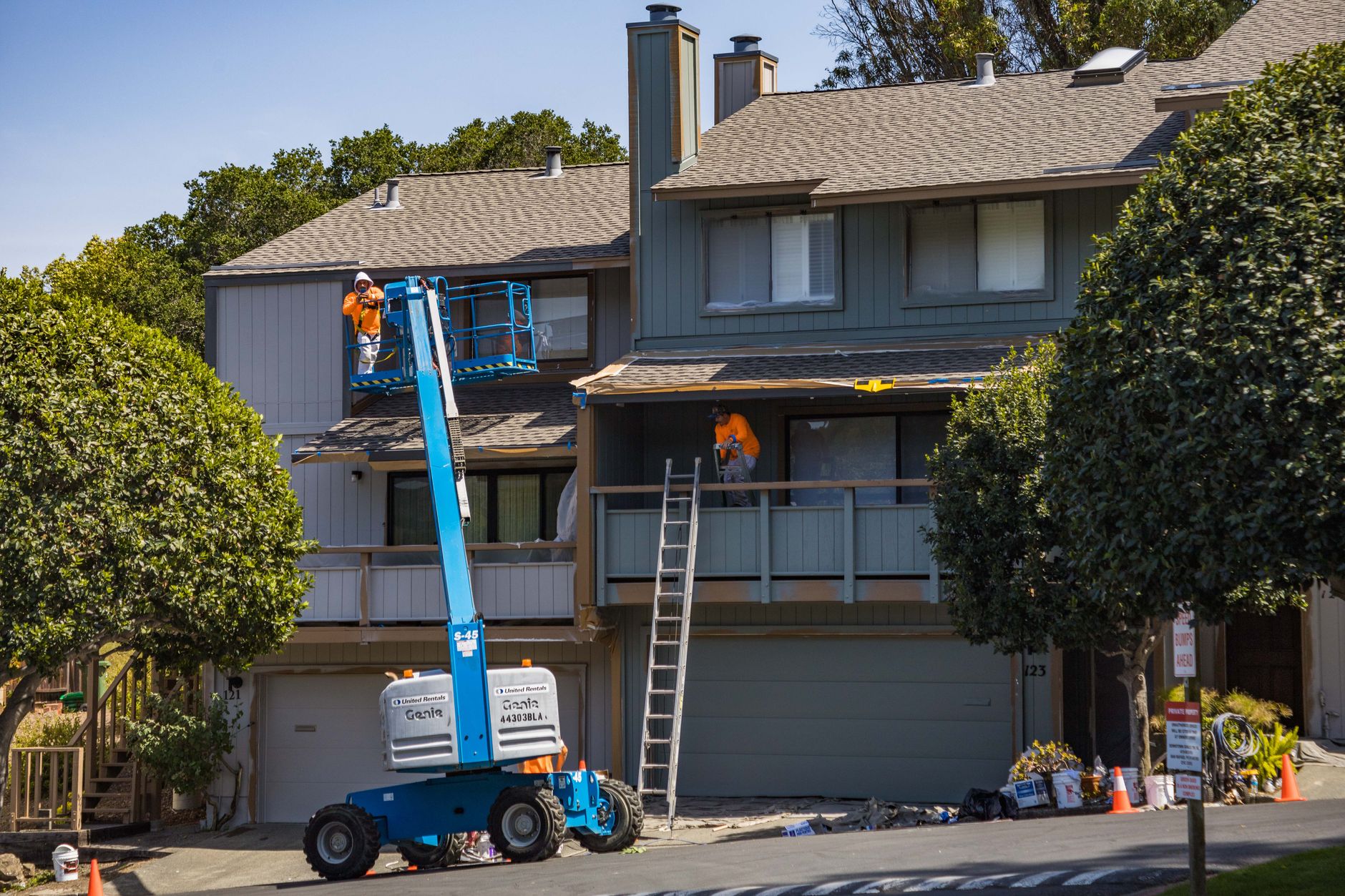
Siding, soffit, fascia, deck, and porch repairs — built to hold up in Florida weather.

Mobile Home Repairs
Belly wrap, skirting, floor reinforcement, and the specific repairs manufactured homes need.