
TV Mounting
- Stud or block verification before any hole is drilled
- Bracket installed and rated to the television's weight
- Television leveled and secured to the bracket
- Cable routing — in-wall rated cable or a surface raceway
- Soundbar and floating shelf mounting on request



The first thing on any mount is finding out what the wall is made of. A lot of Florida houses are concrete block with a stucco exterior, and the interior finish is drywall on furring strips fastened to the block. That means a stud finder may show you nothing useful, and a standard wood screw has nothing to bite. Block walls take masonry anchors — Tapcons or sleeve anchors into the block itself, not into the thin furring strip.
On a framed interior wall we locate the studs, confirm them with a fine bit rather than trusting the sensor alone, and lag the bracket into solid wood. A 65-inch television on a full-motion arm can put well over a hundred pounds of leverage on the wall when it is extended, and that load has to land in framing or block.
“Drywall anchors are why we get called out to re-hang televisions that pulled off the wall. It goes into framing or into block with the right anchor, or it does not go up.”
We do not use drywall anchors for televisions. Toggle and molly anchors are rated for picture frames and light shelving, not for a swinging arm carrying a screen. Nearly every failed mount we are called out to fix was hung on drywall anchors.
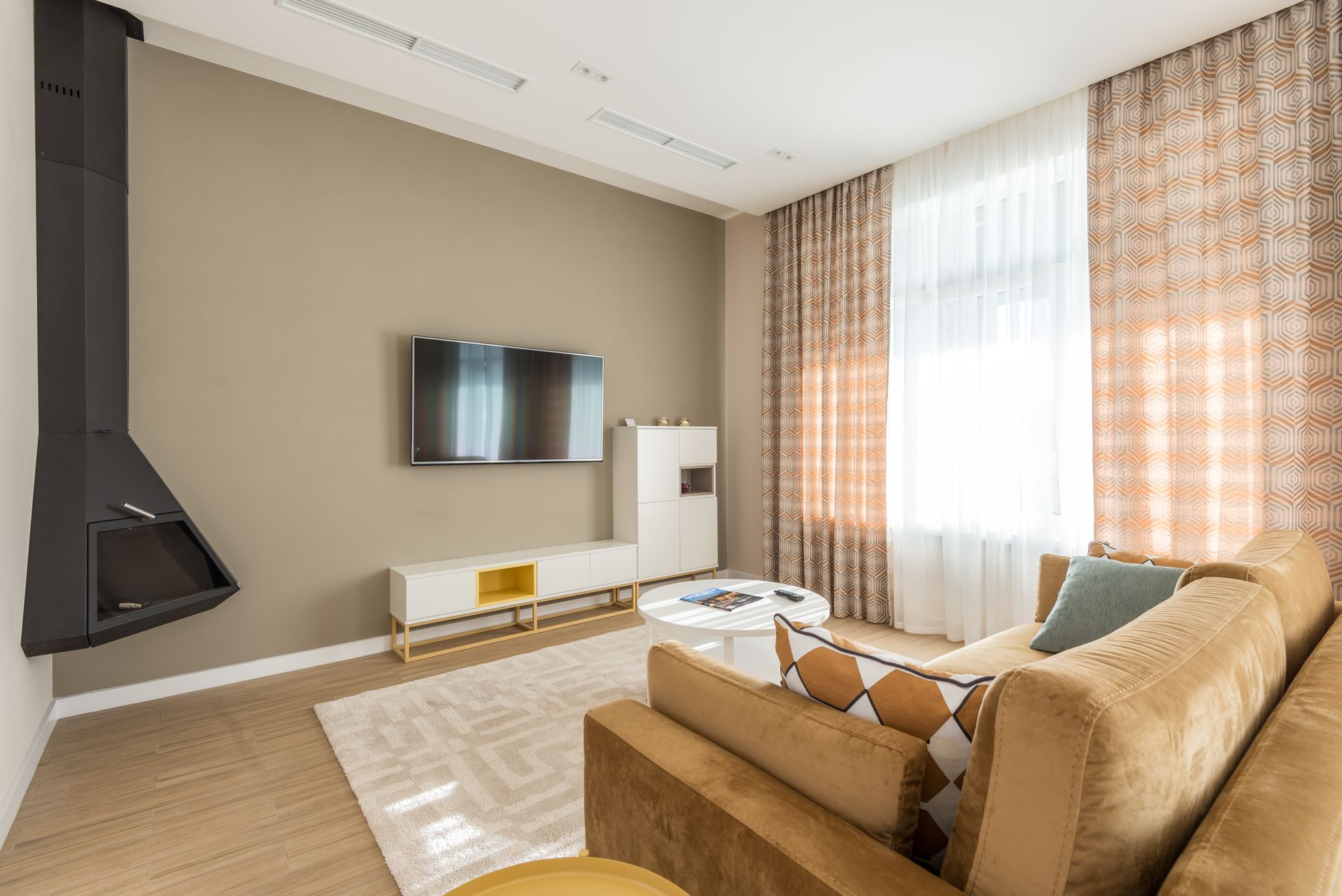
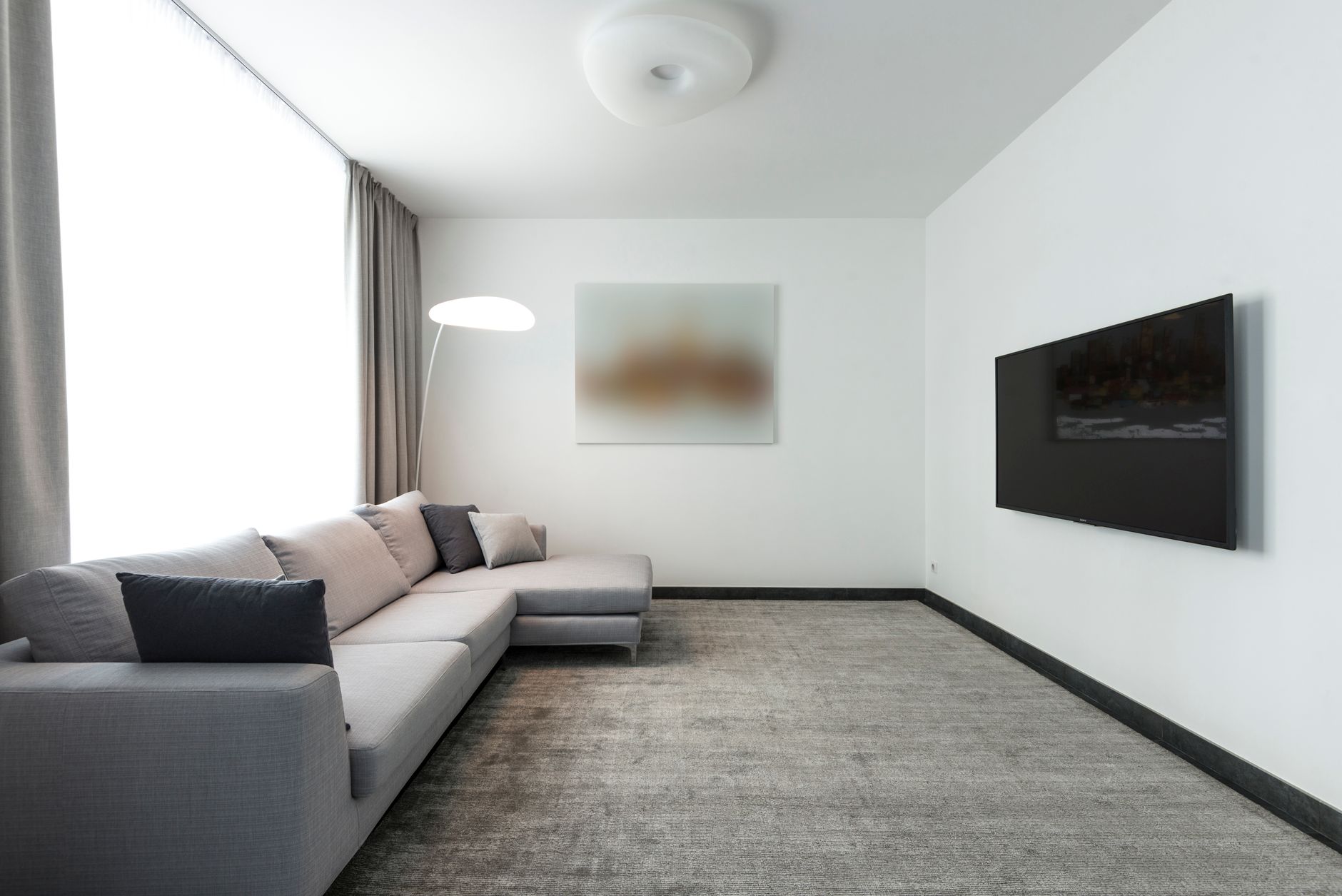
Mount style depends on where you sit. A fixed mount sits closest to the wall and is the cleanest look. A tilt mount helps when the television is higher than eye level. A full-motion arm makes sense in a room where you watch from more than one spot, like an open kitchen and living area, but it needs the most solid anchoring.
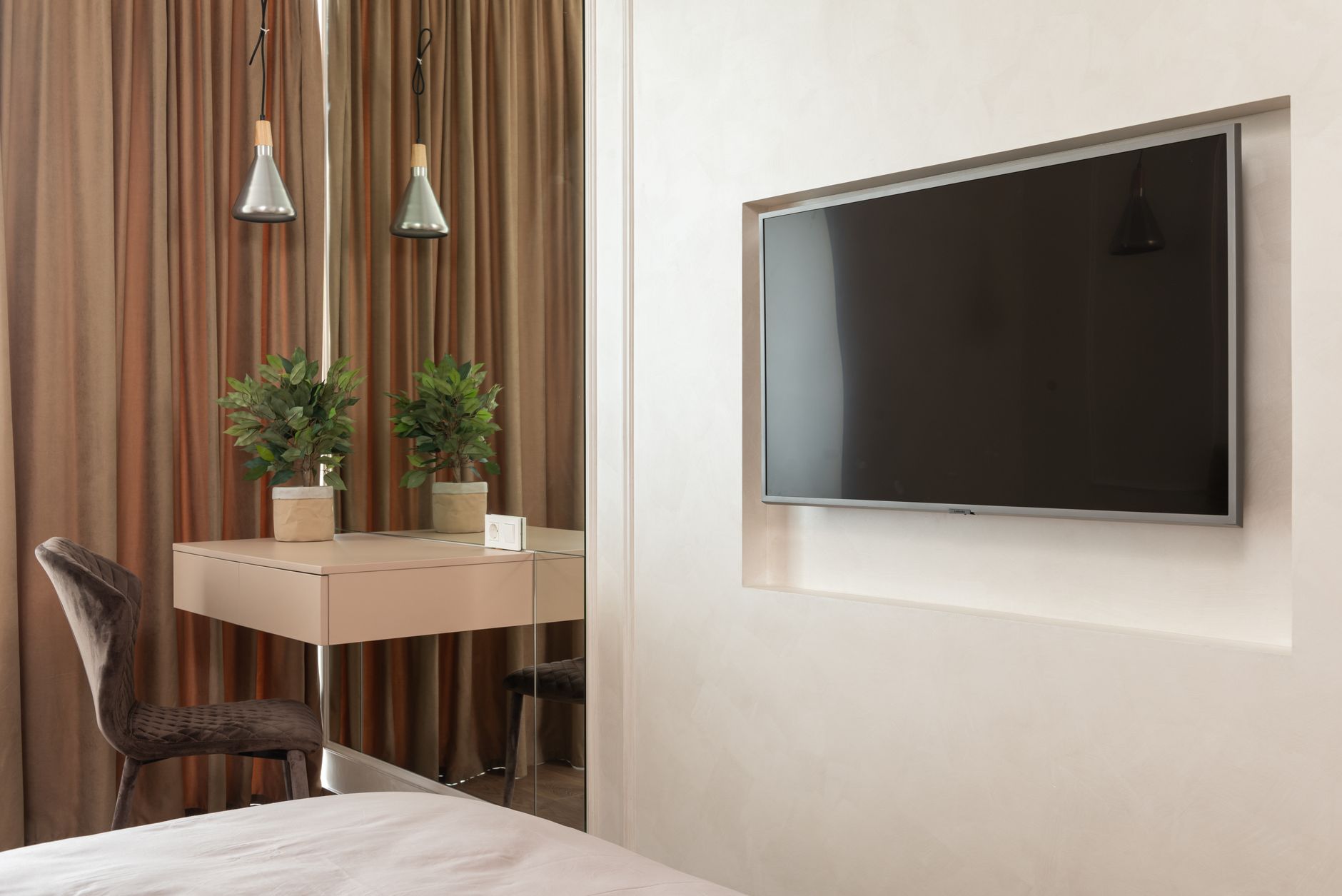
Cable can be hidden two ways. In-wall routing uses CL-rated cable through a recessed power and low-voltage box so nothing shows — this is only appropriate where the wall cavity allows it. A surface raceway painted to match is the alternative on block walls, where there is no cavity to fish.
One honest caution about mounting above a fireplace. It is a popular request and it is usually too high for comfortable viewing, and heat rising off the firebox is hard on the electronics. If that is where you want it, we will do it, but a tilt mount is close to mandatory.
Related services we handle on the same job.
General Handyman Repairs
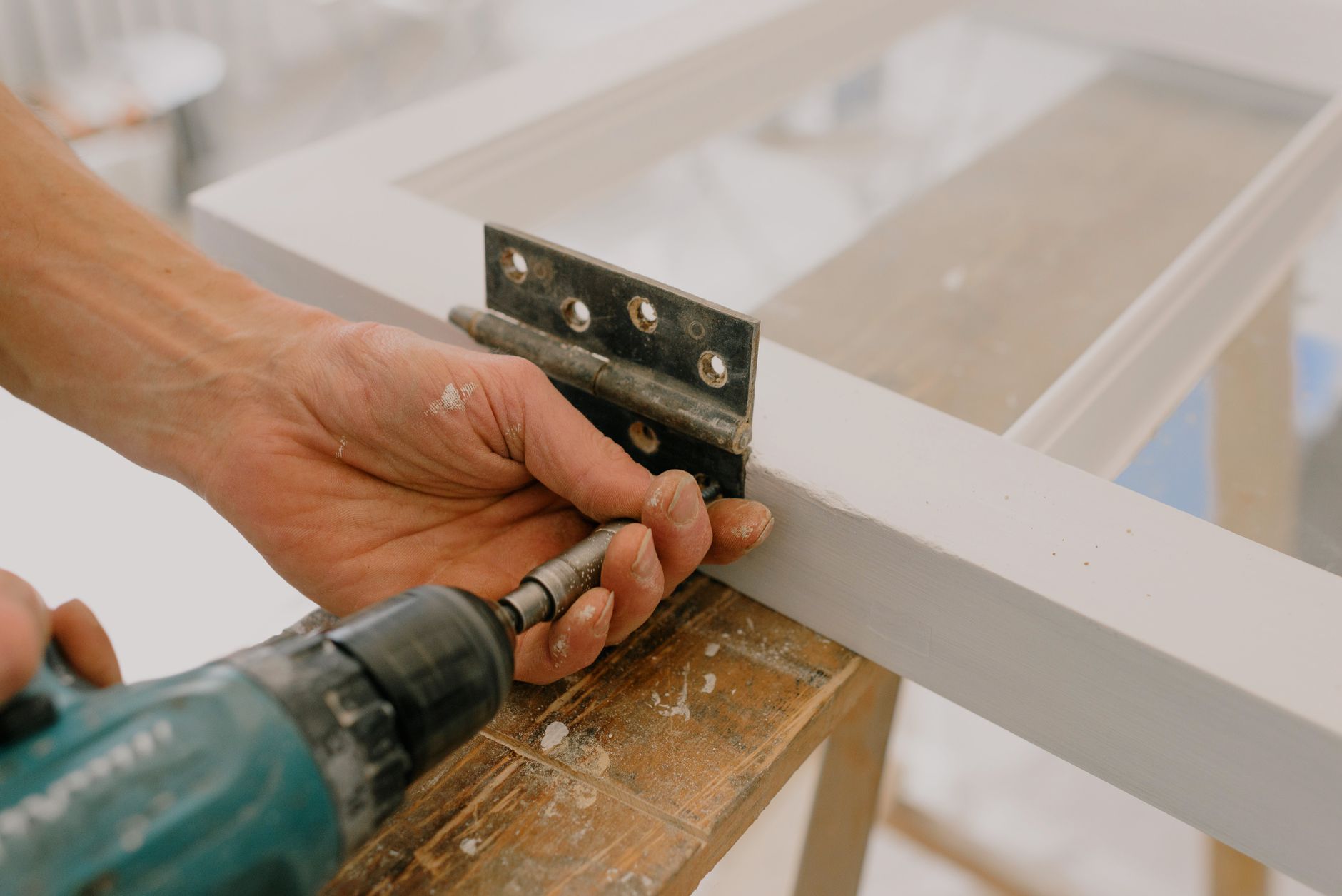
Drywall patches, door adjustments, outlet swaps, cabinet repairs — the small fixes that pile up.
Interior Painting
Walls, trim, ceilings, cabinets — prepped correctly and painted with Sherwin-Williams products.
Flooring Installation and Repair
Vinyl plank, laminate, tile — installation and repair with subfloor checks for soft spots.